Remembrance: Love and Grief
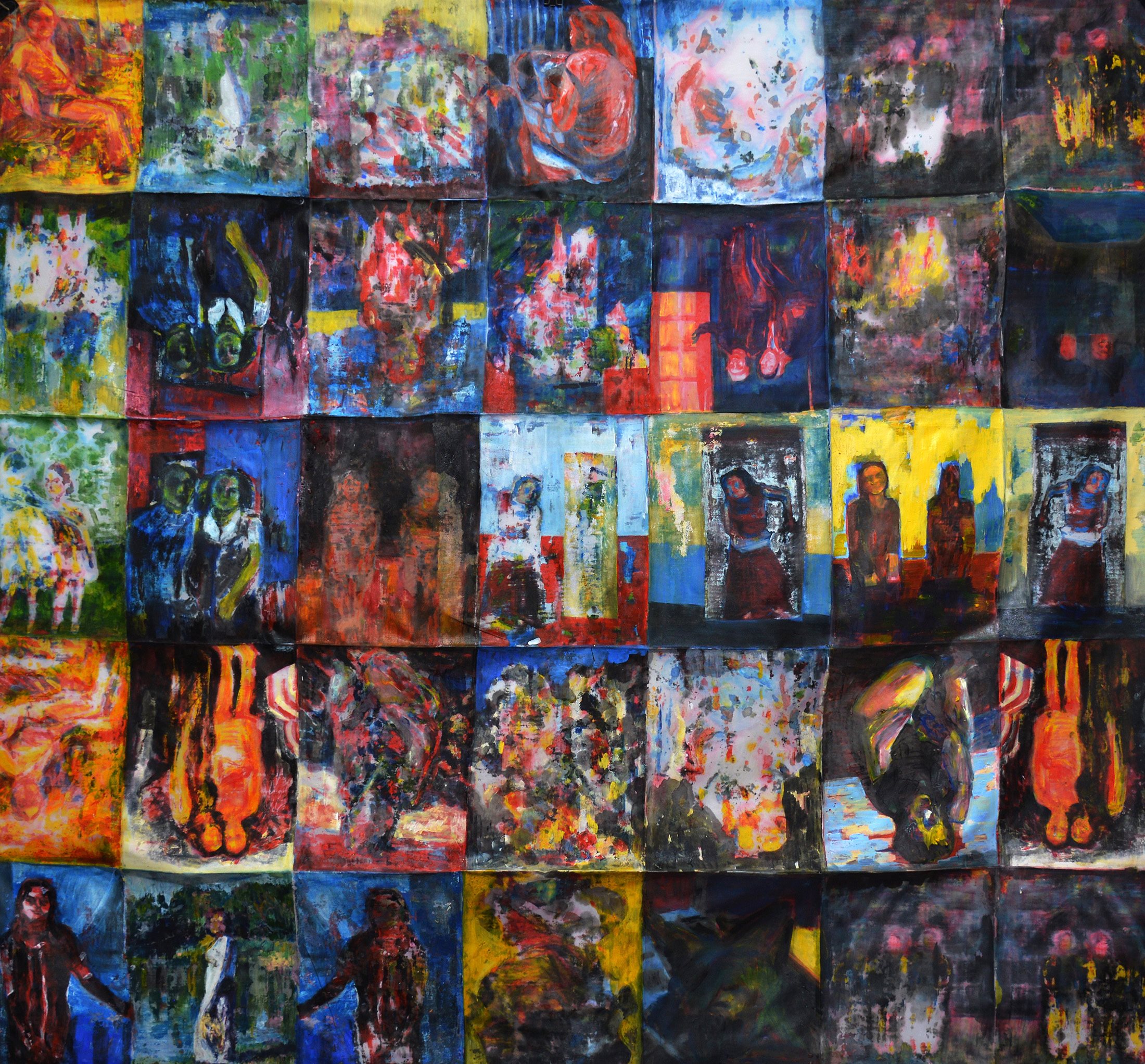
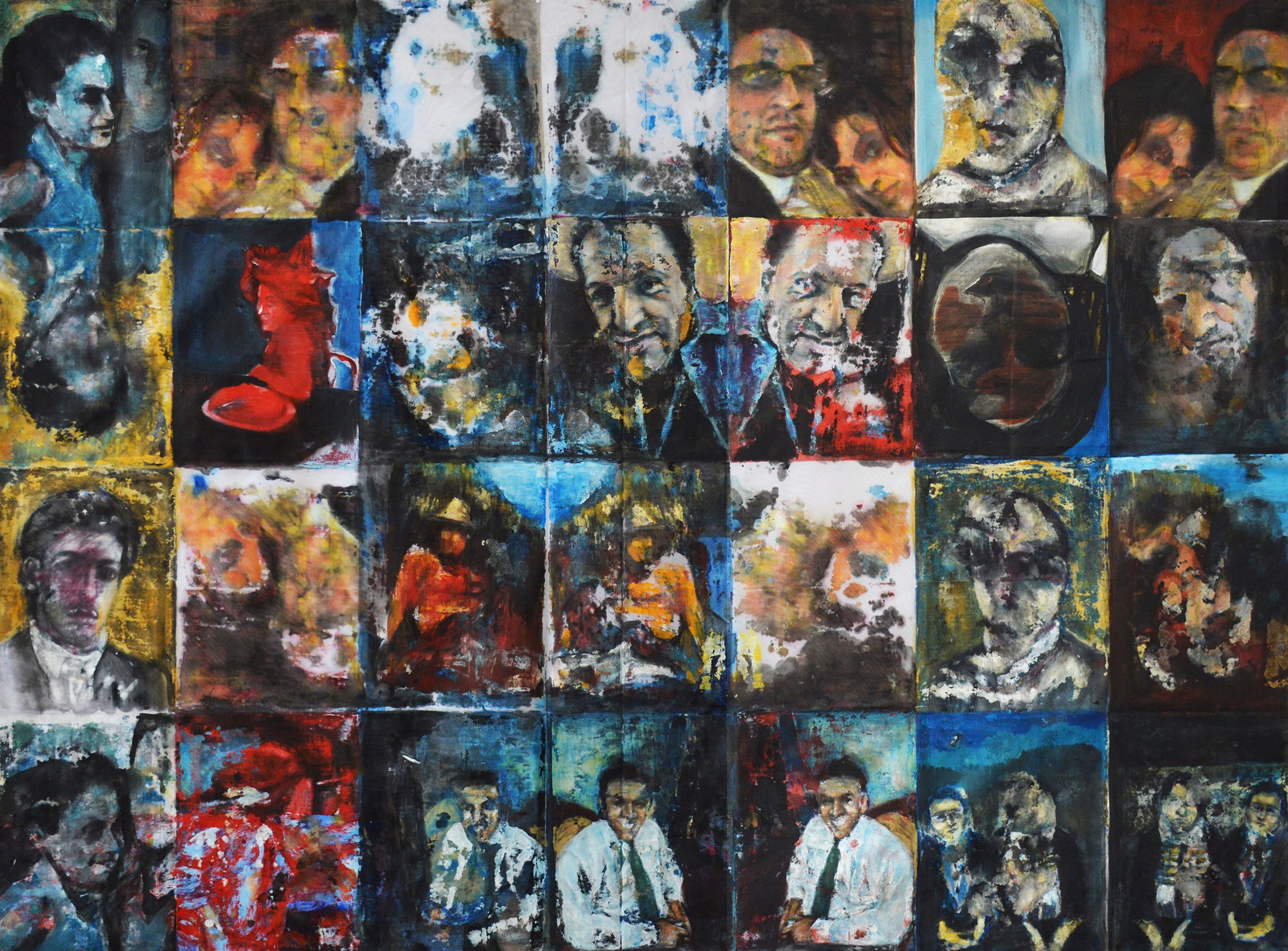
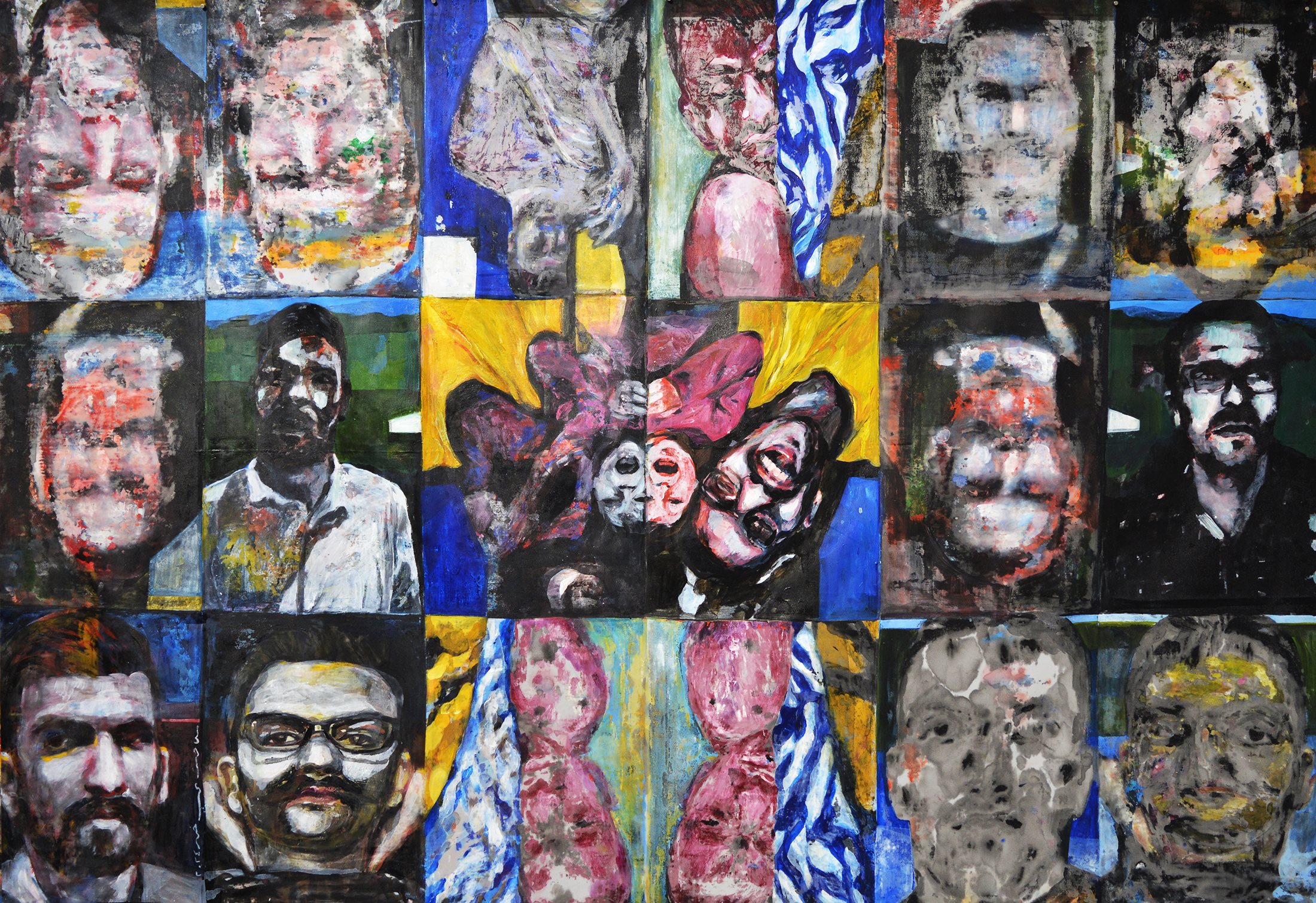
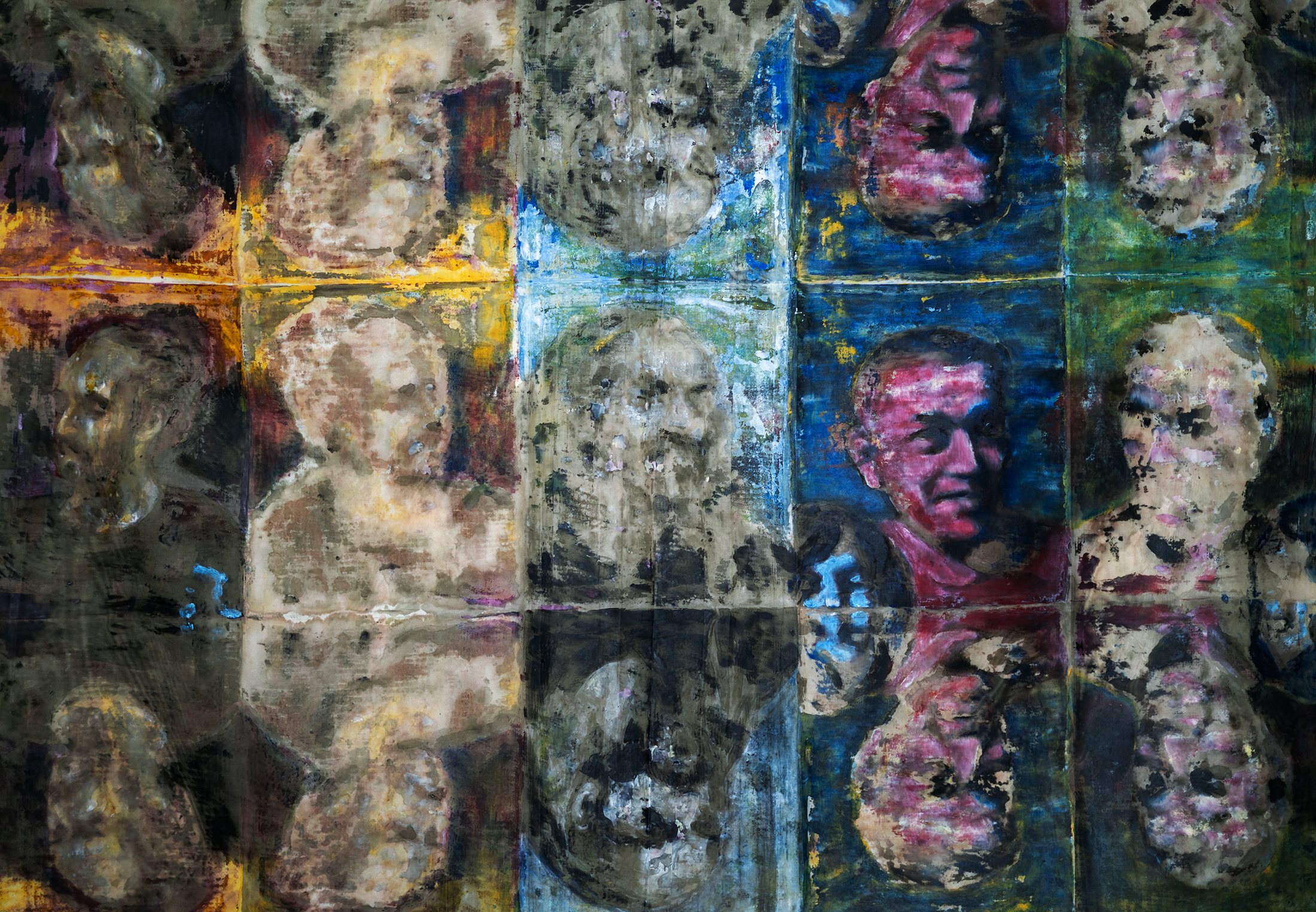
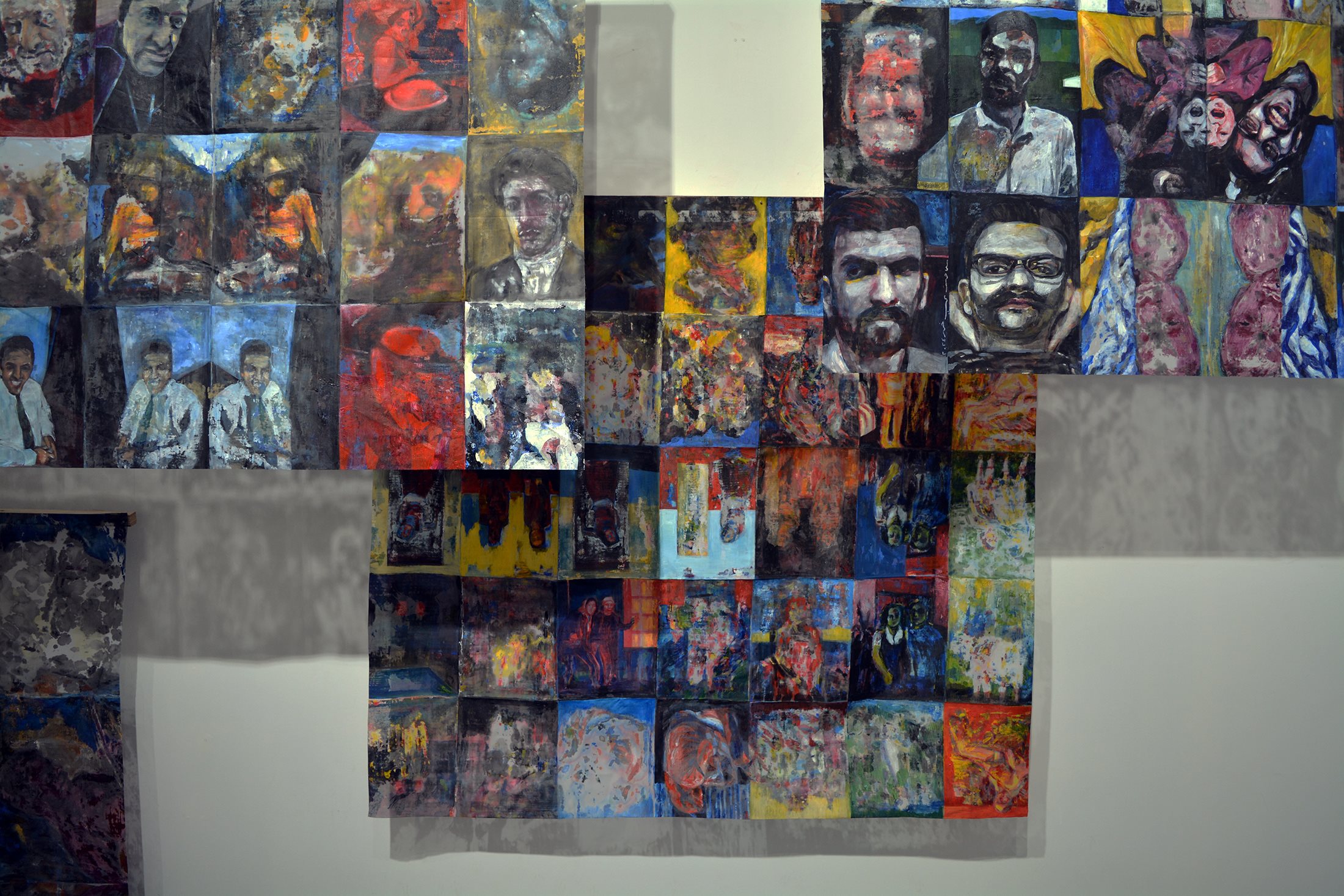
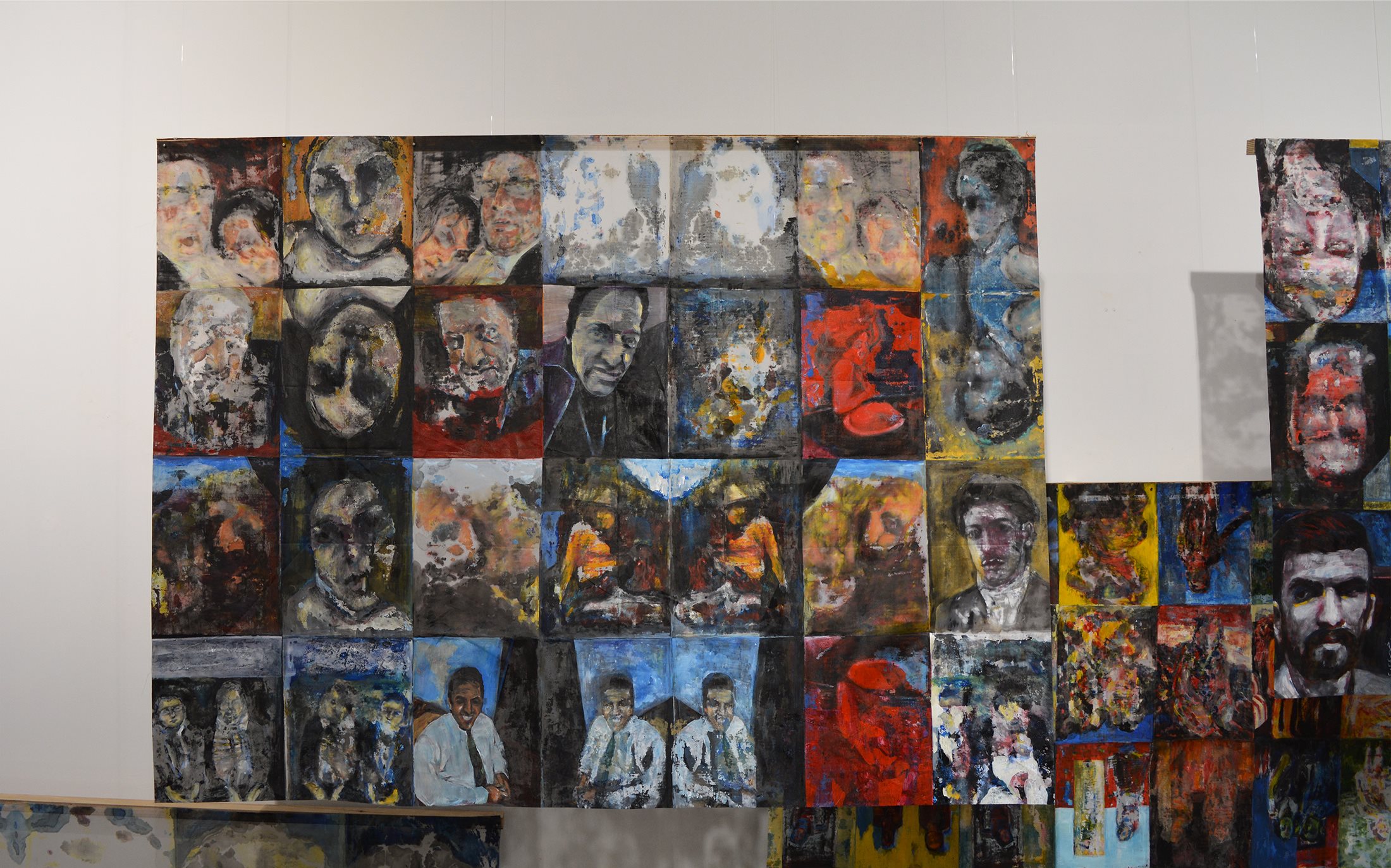
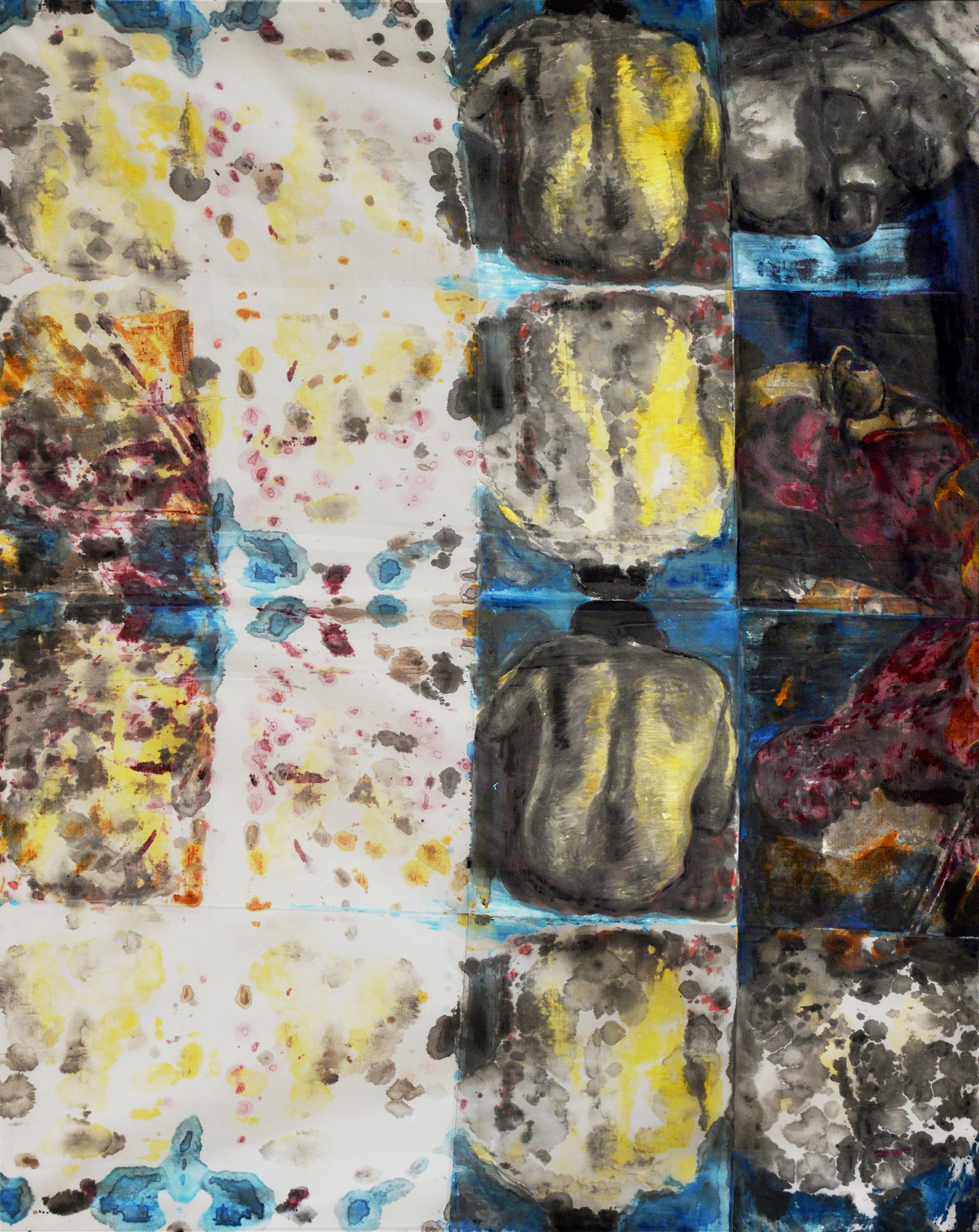
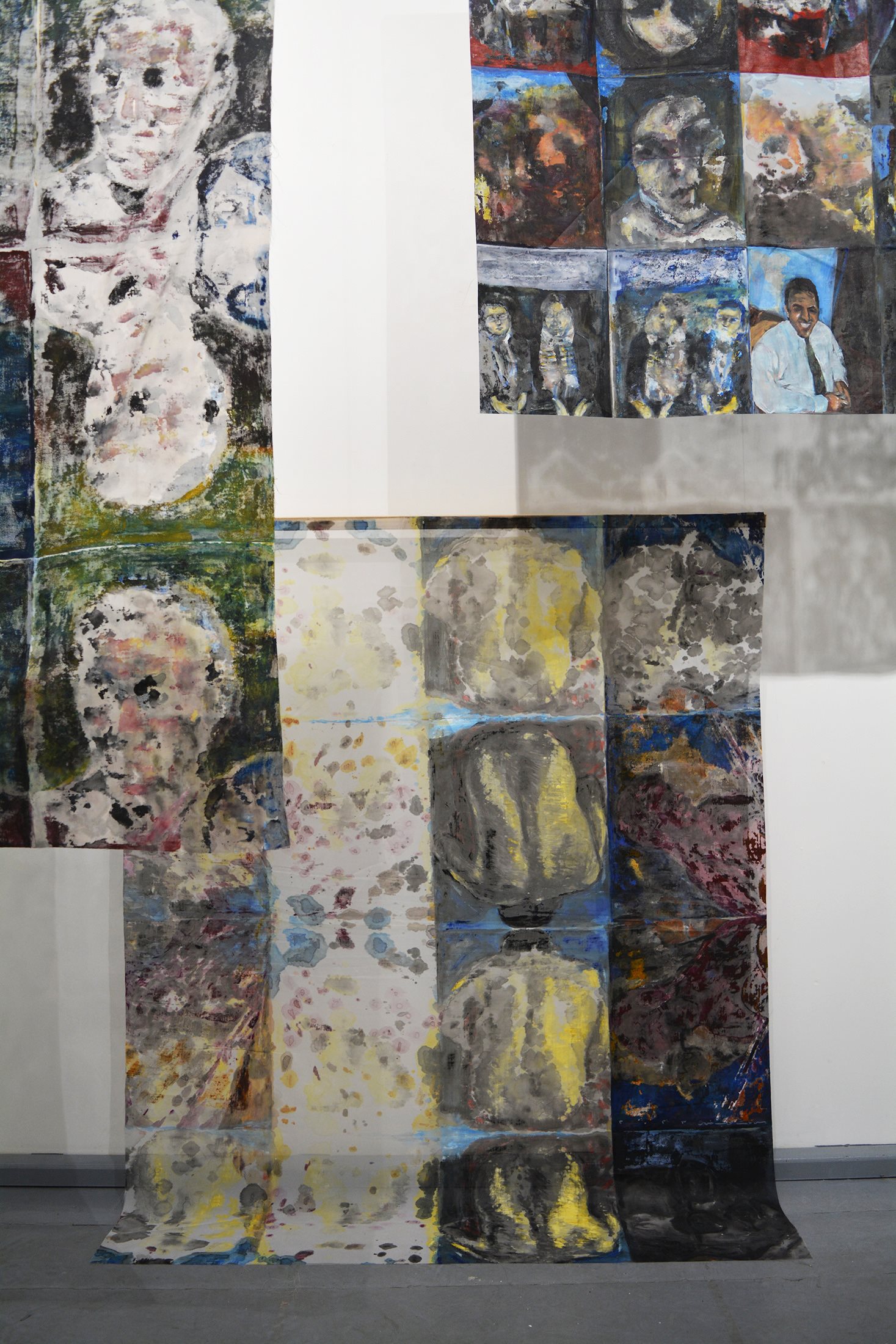
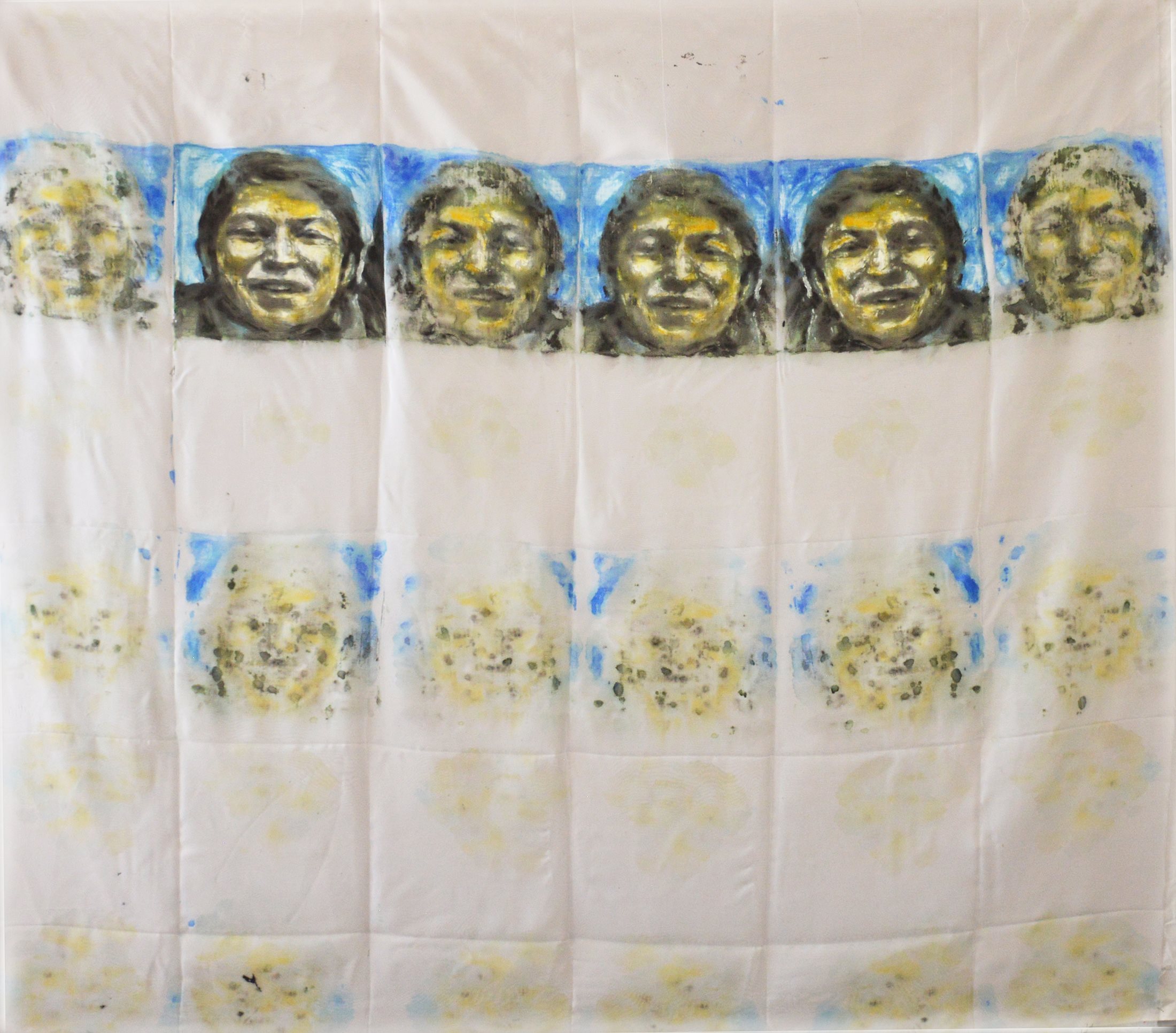
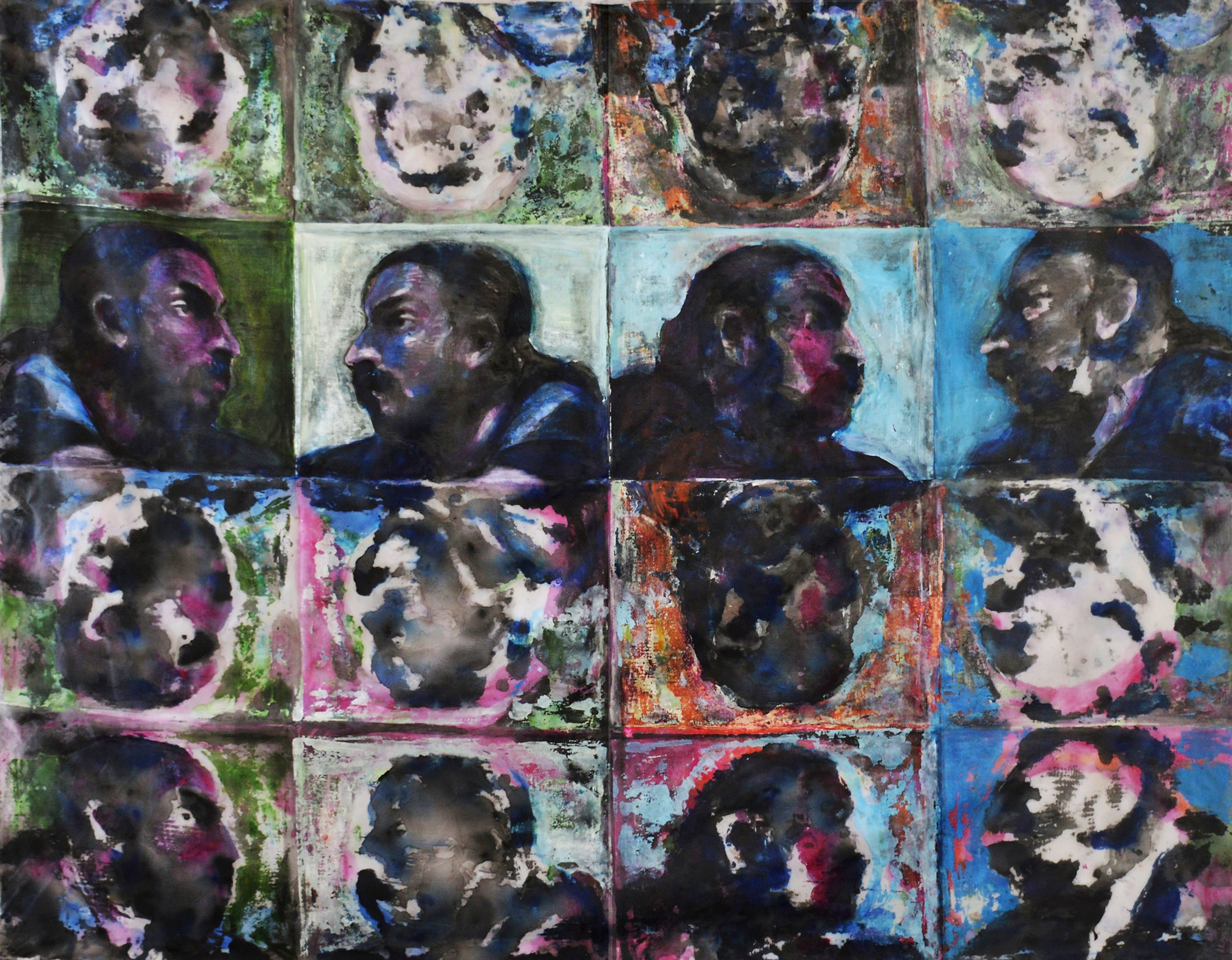
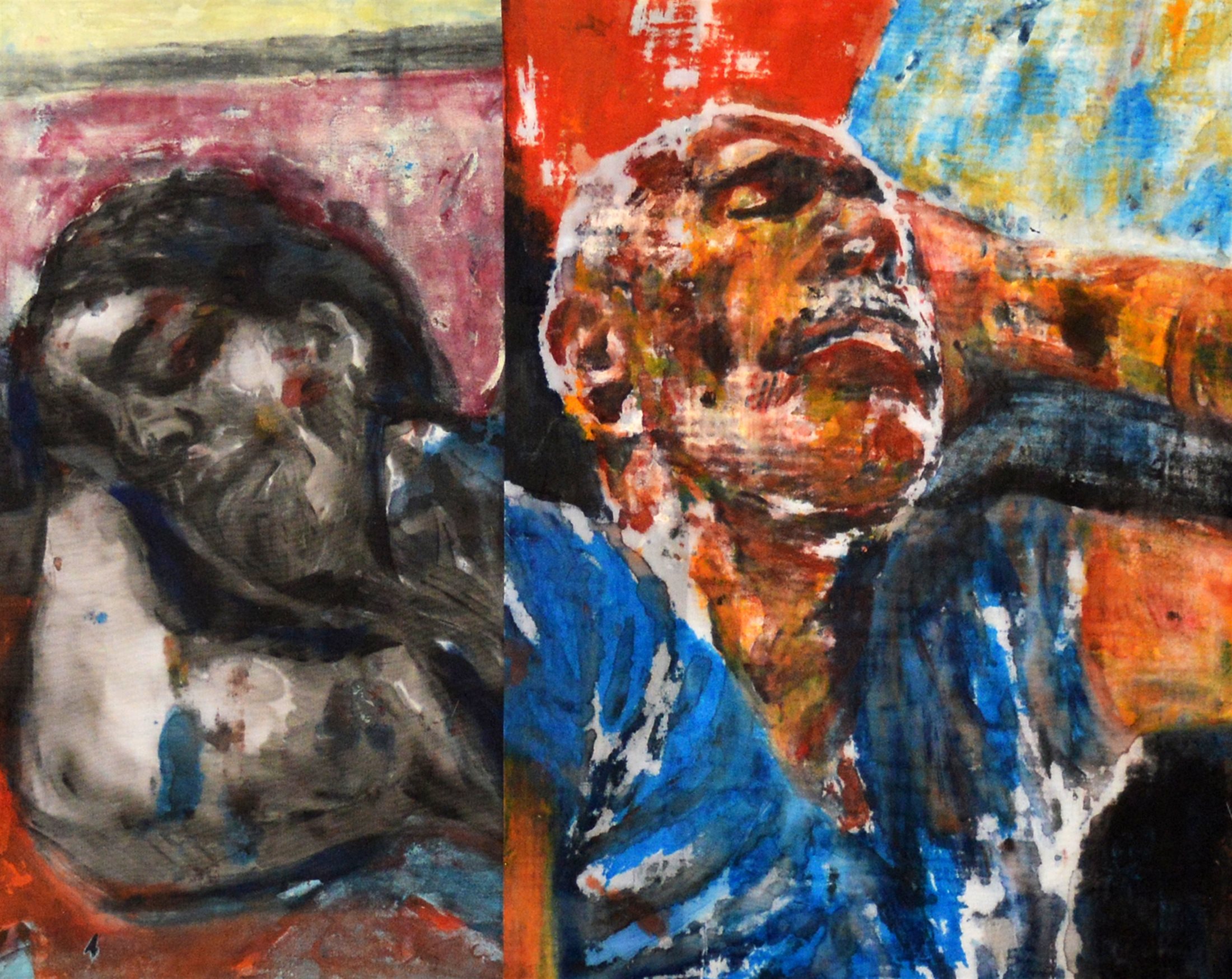
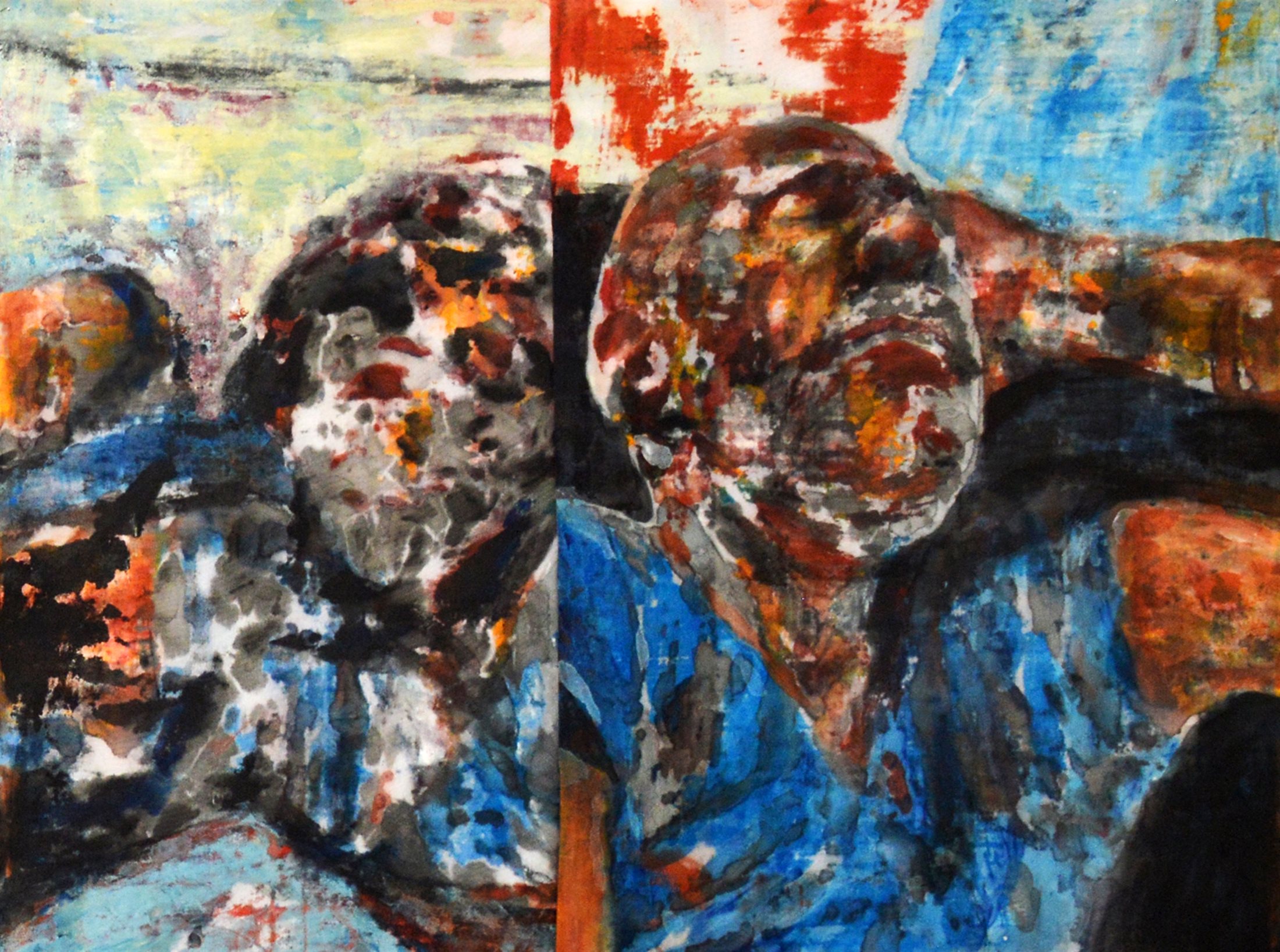
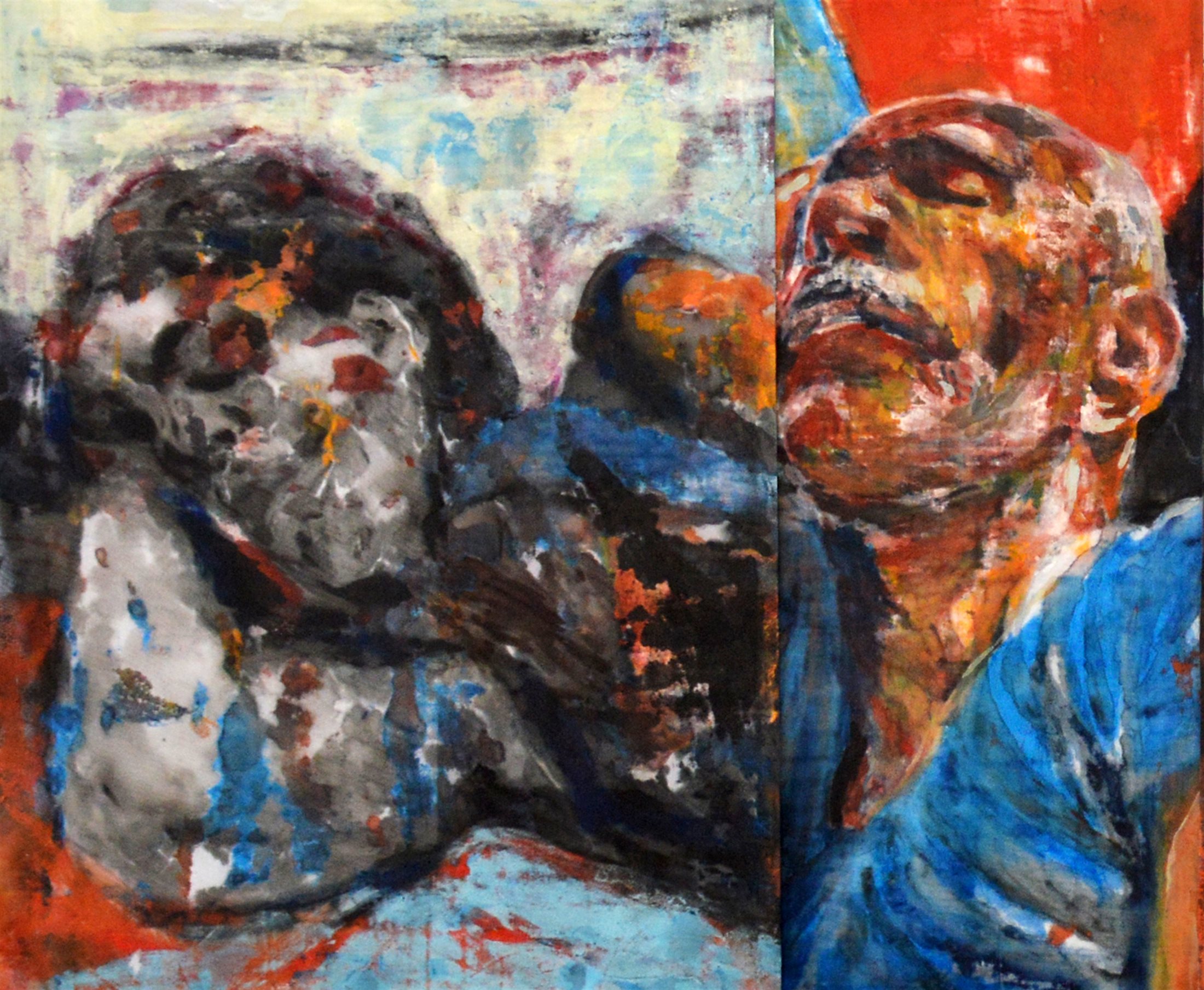
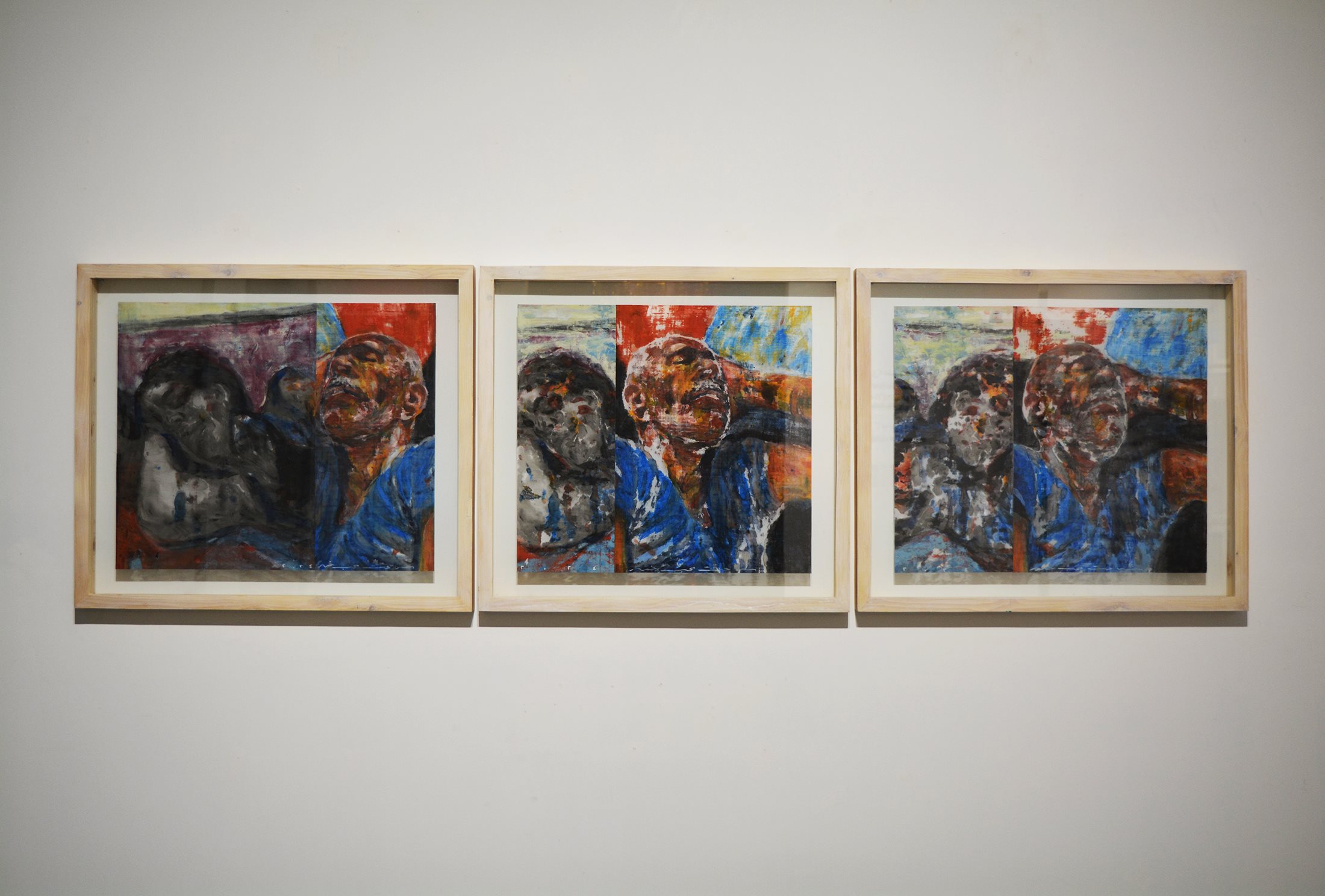
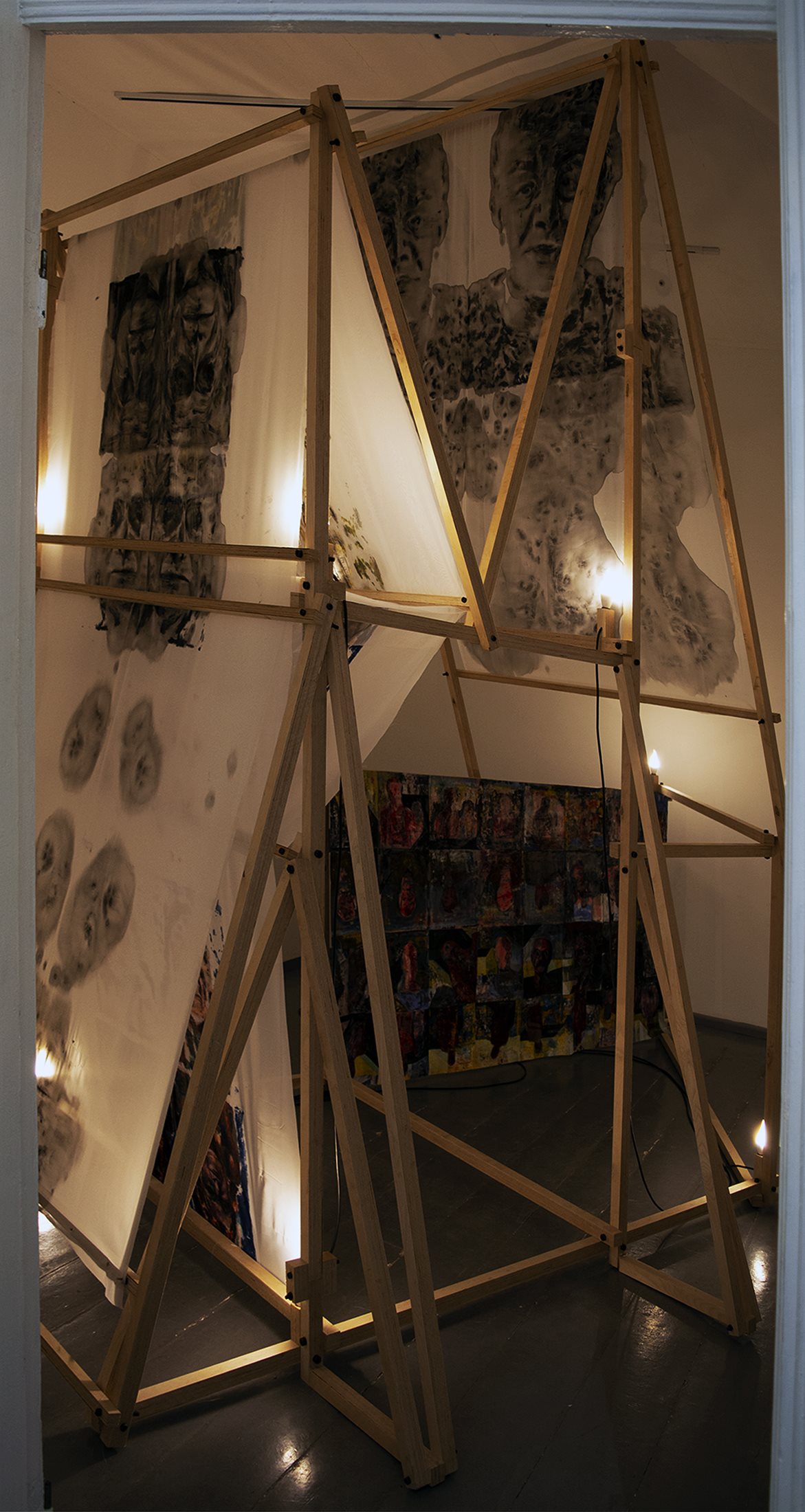
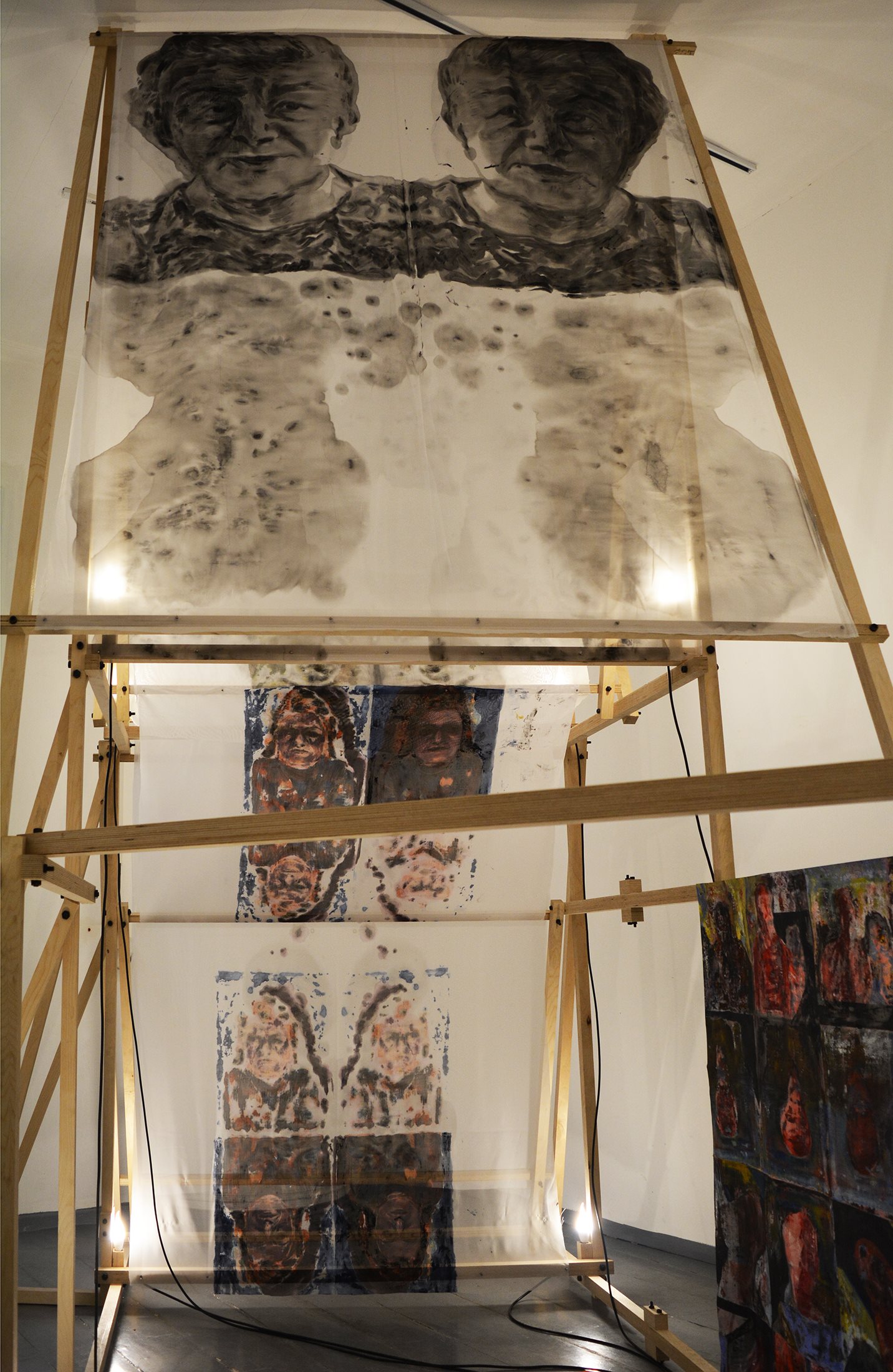
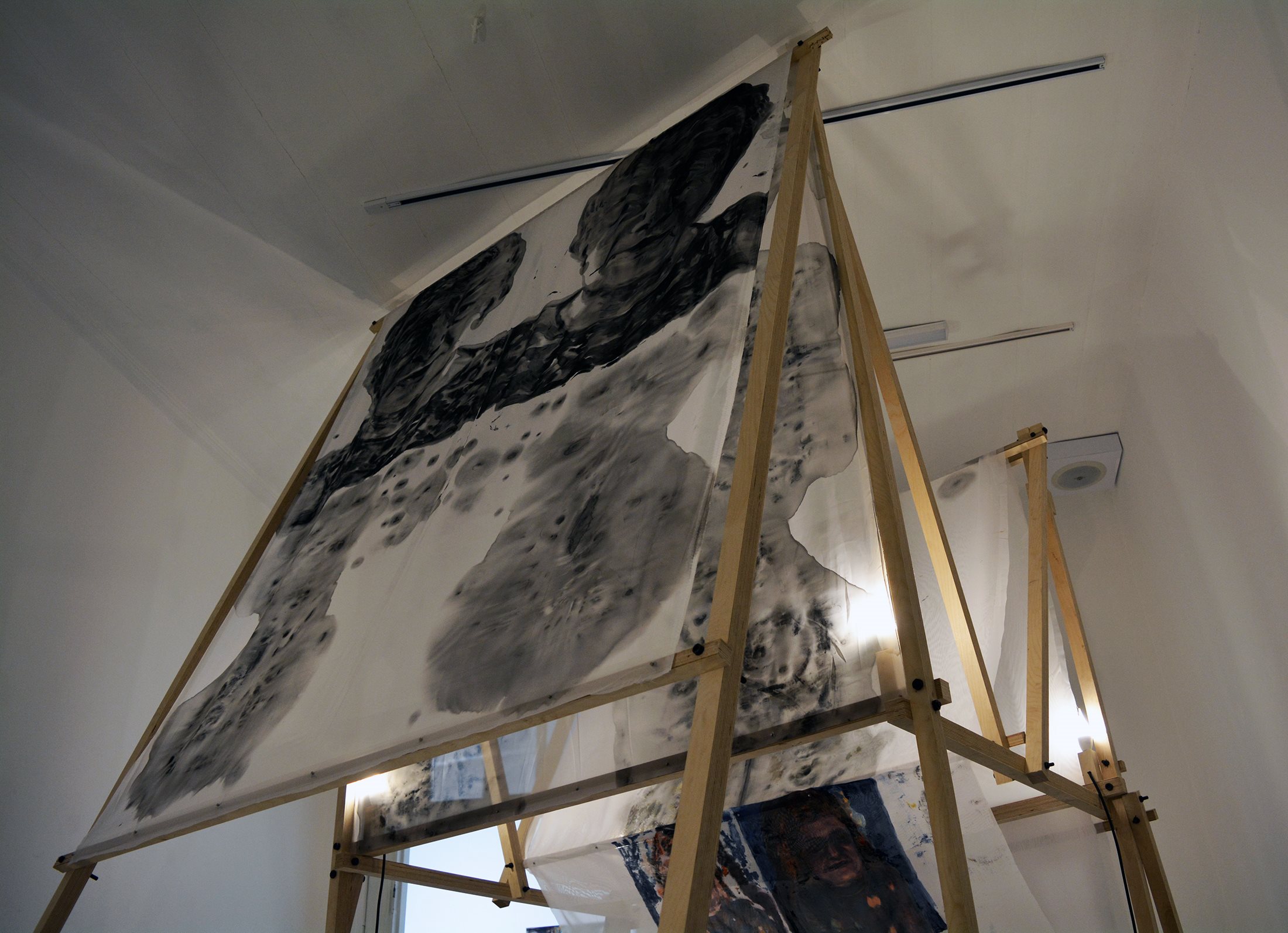
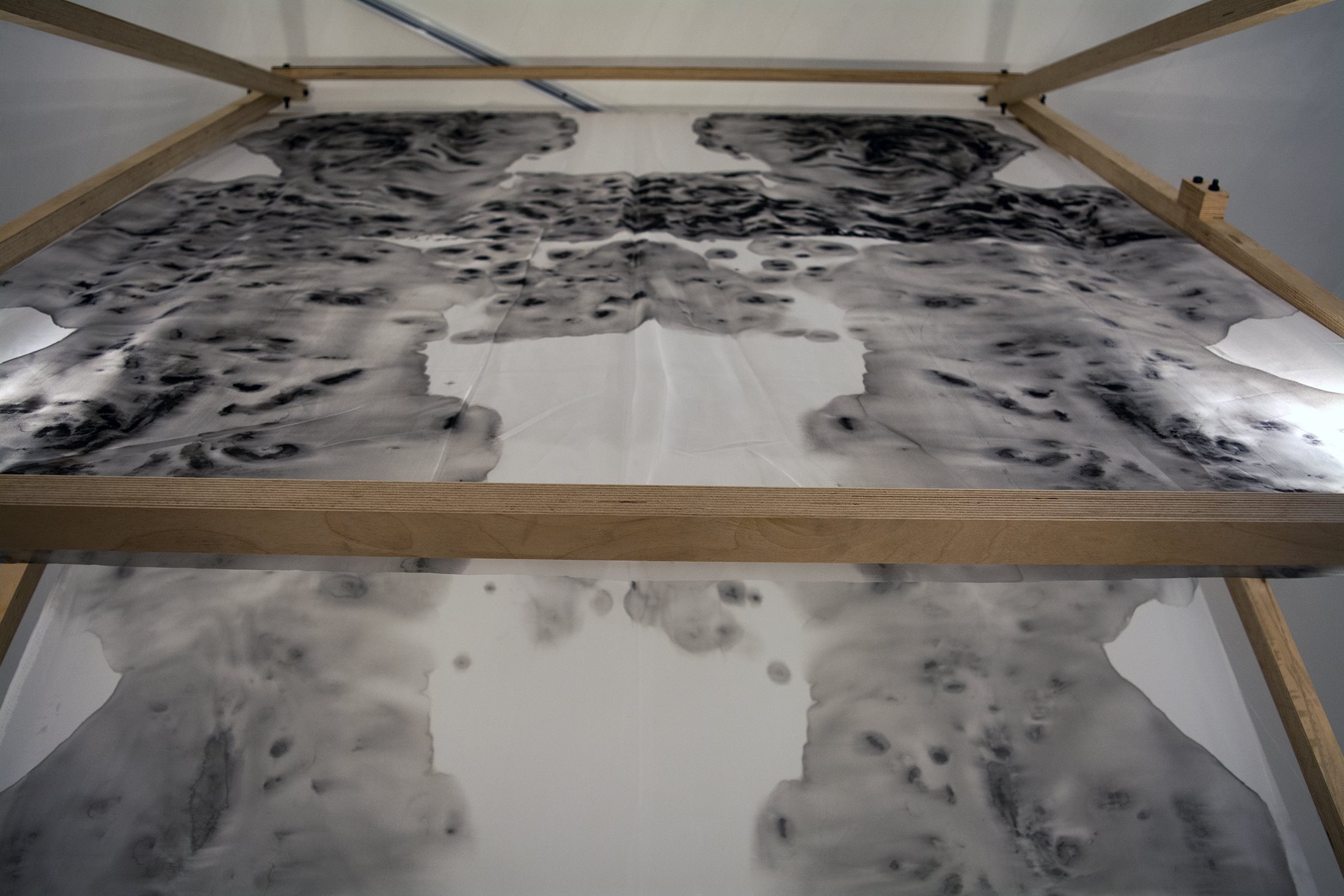
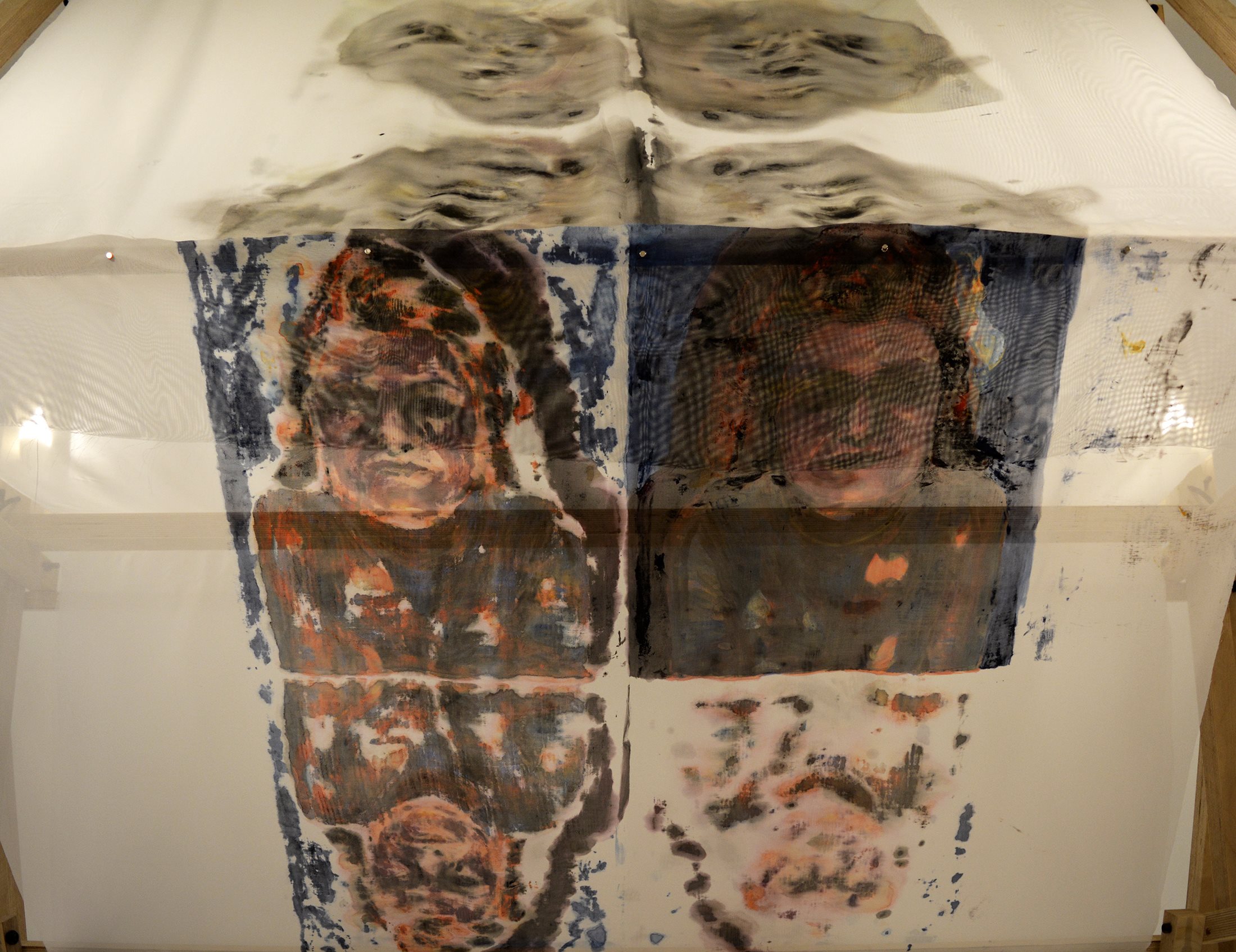
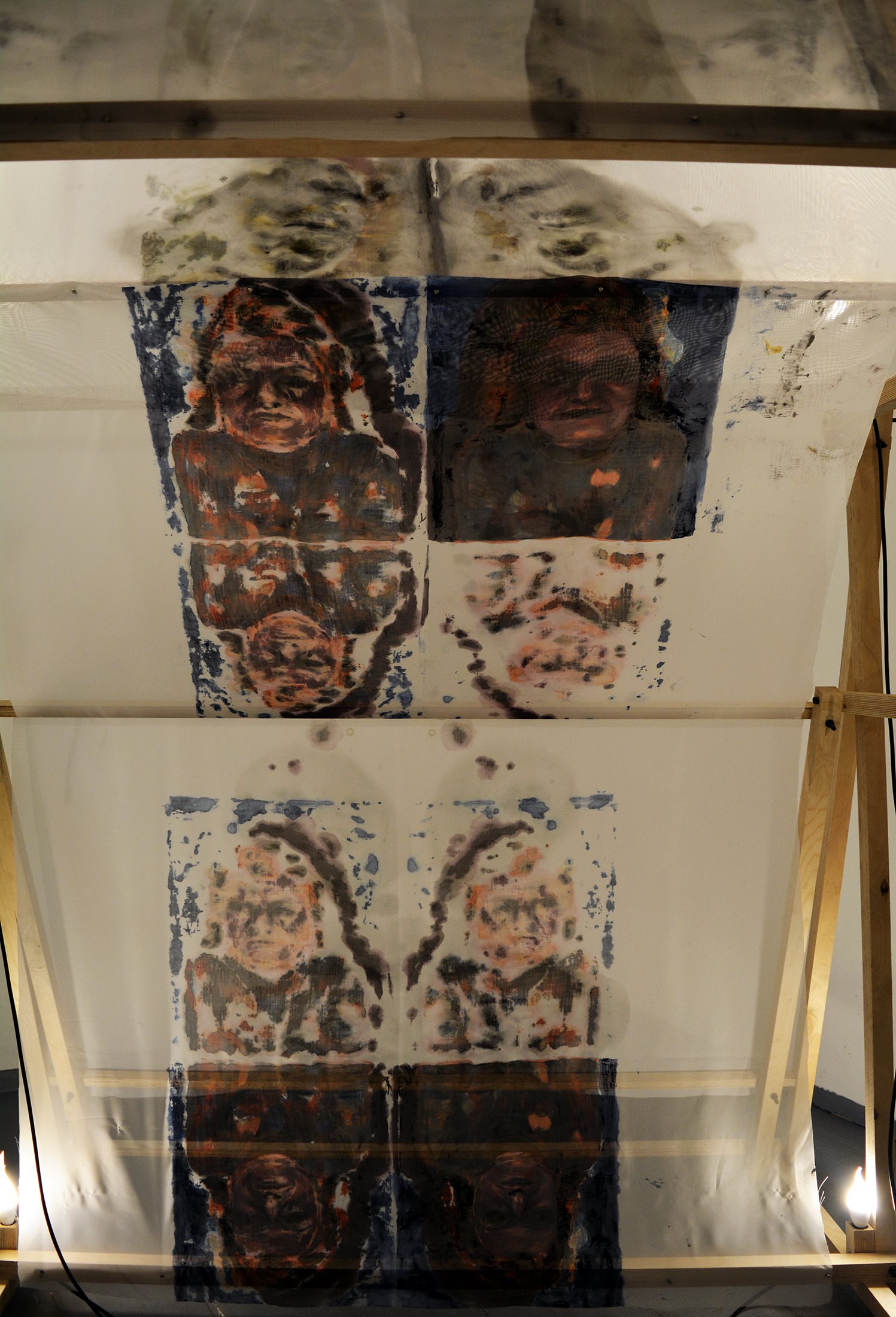
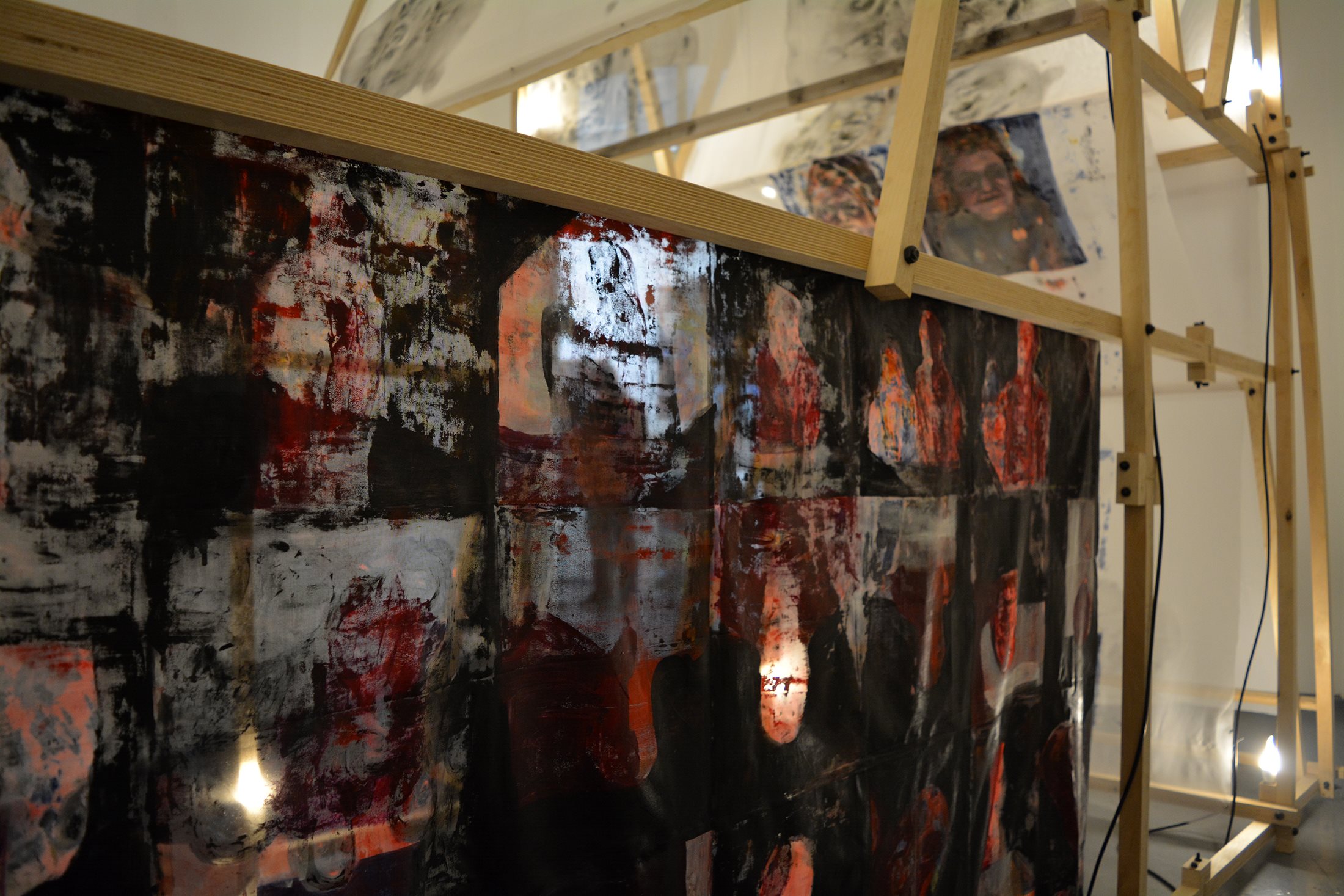
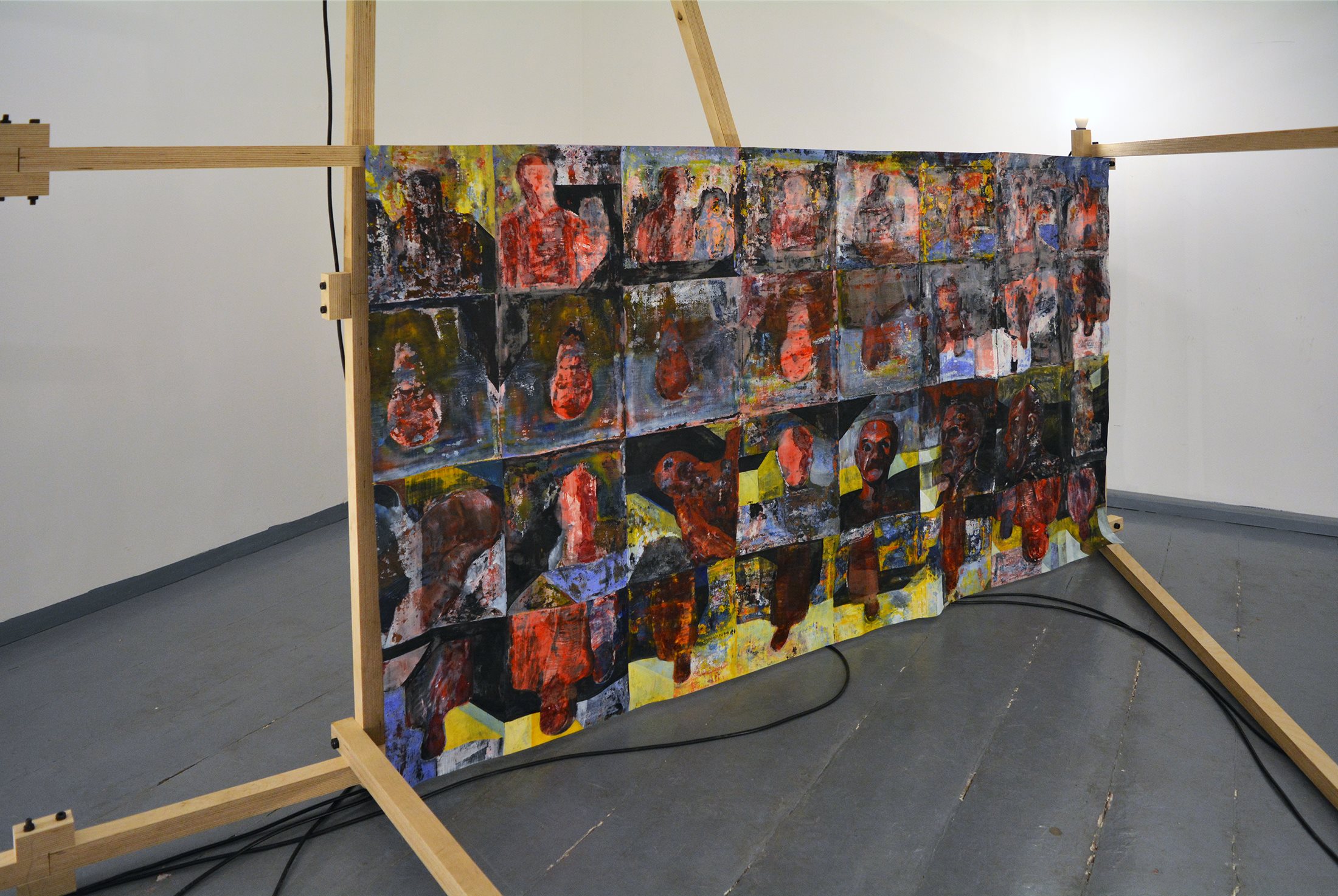
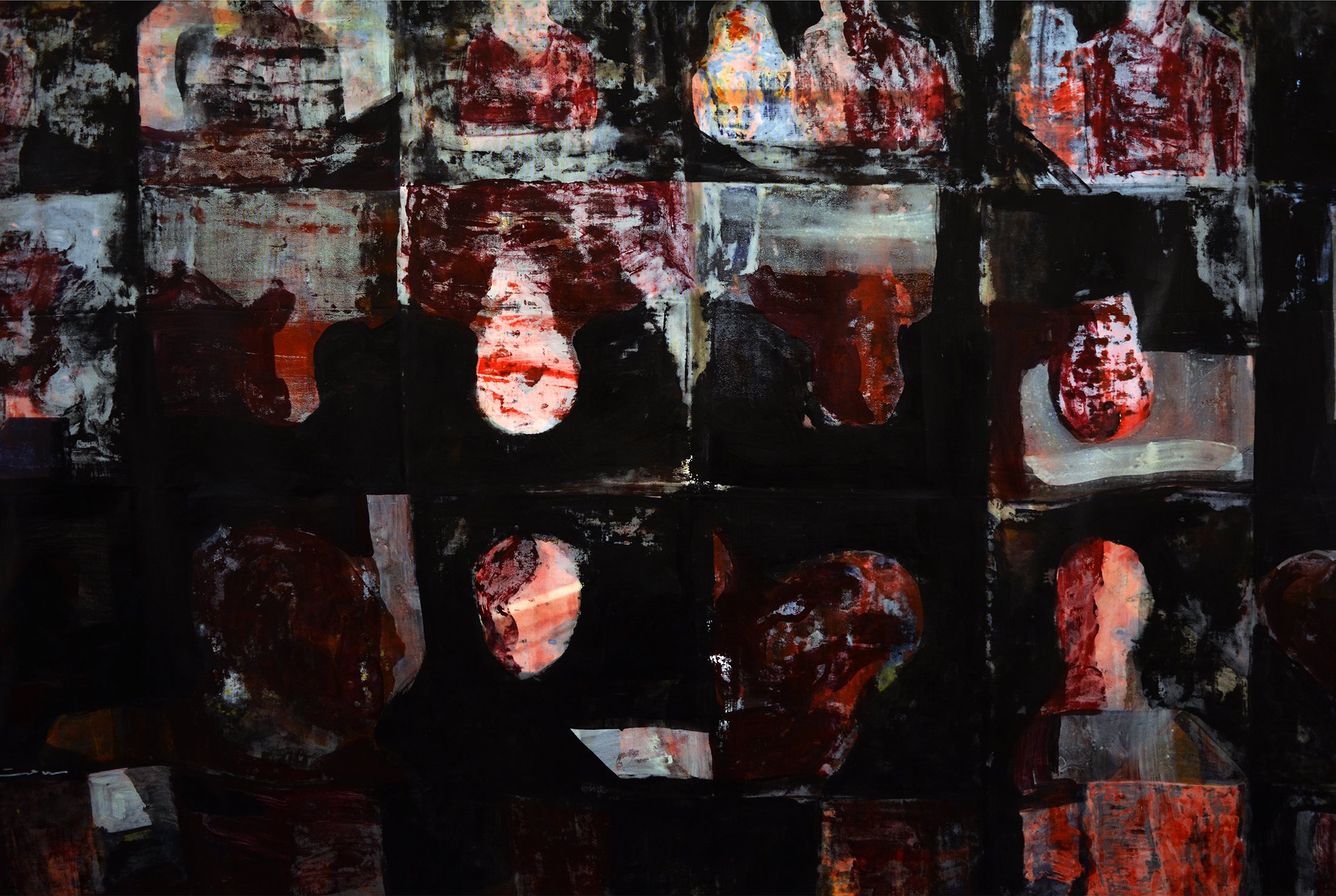
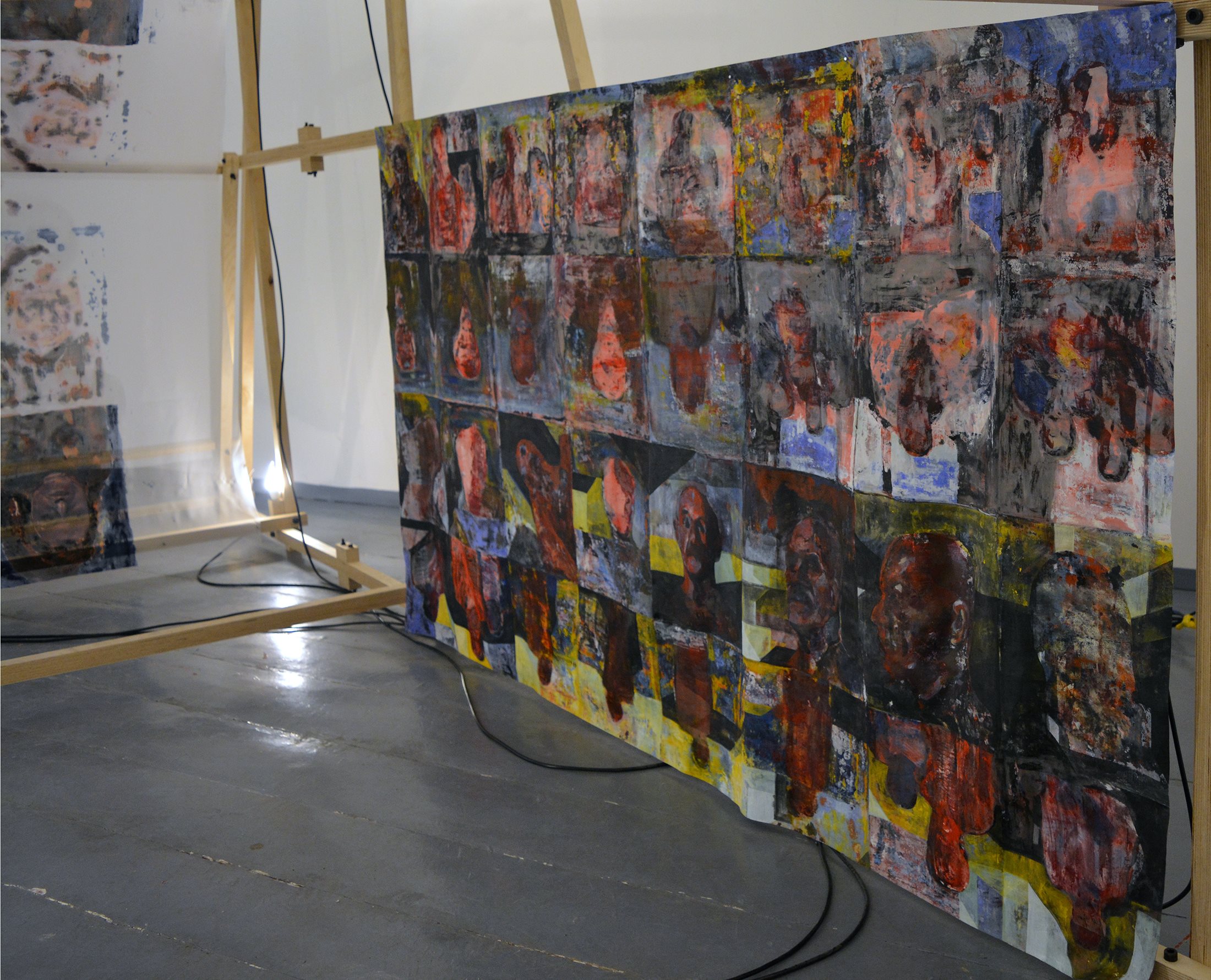
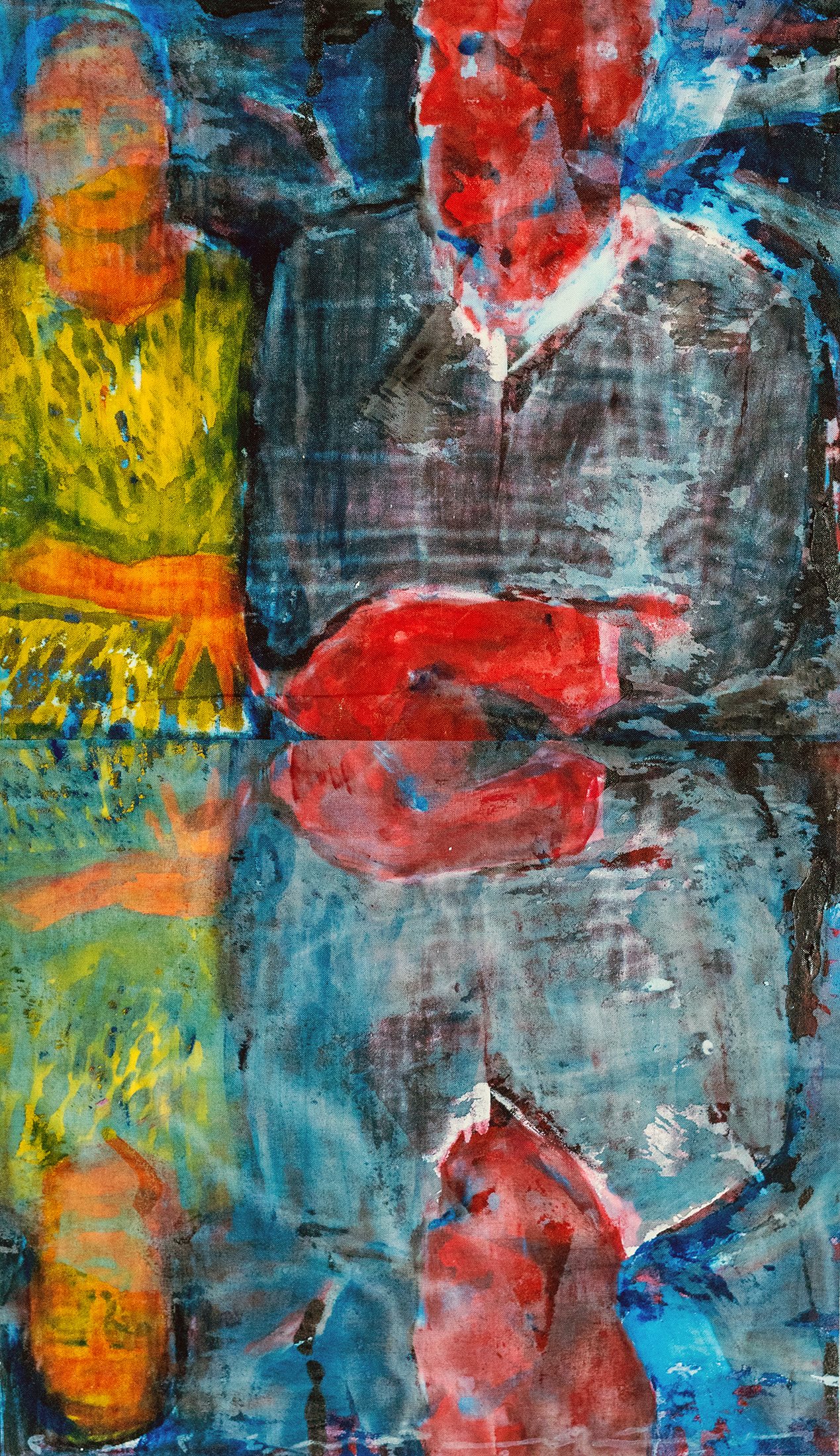
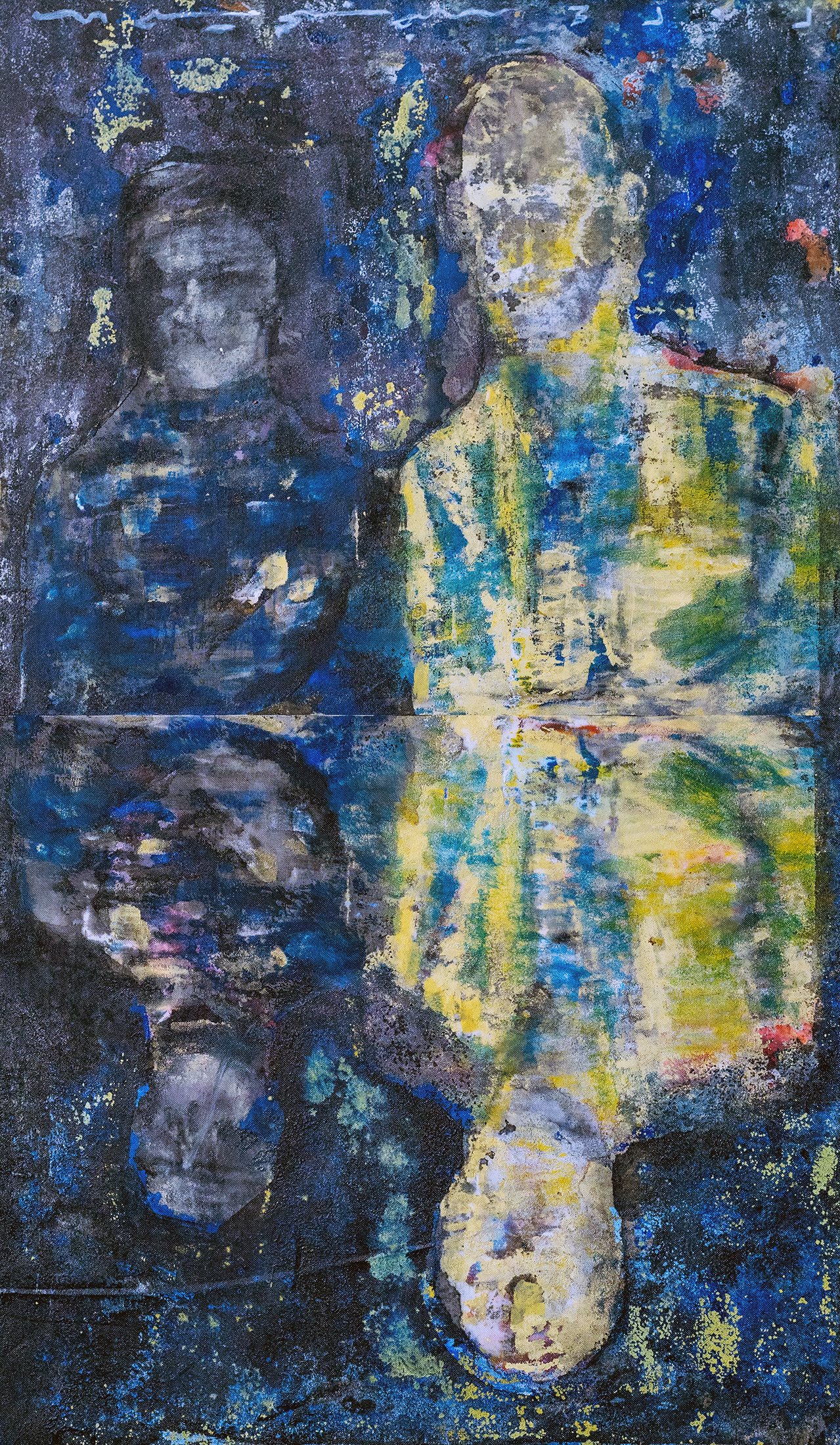
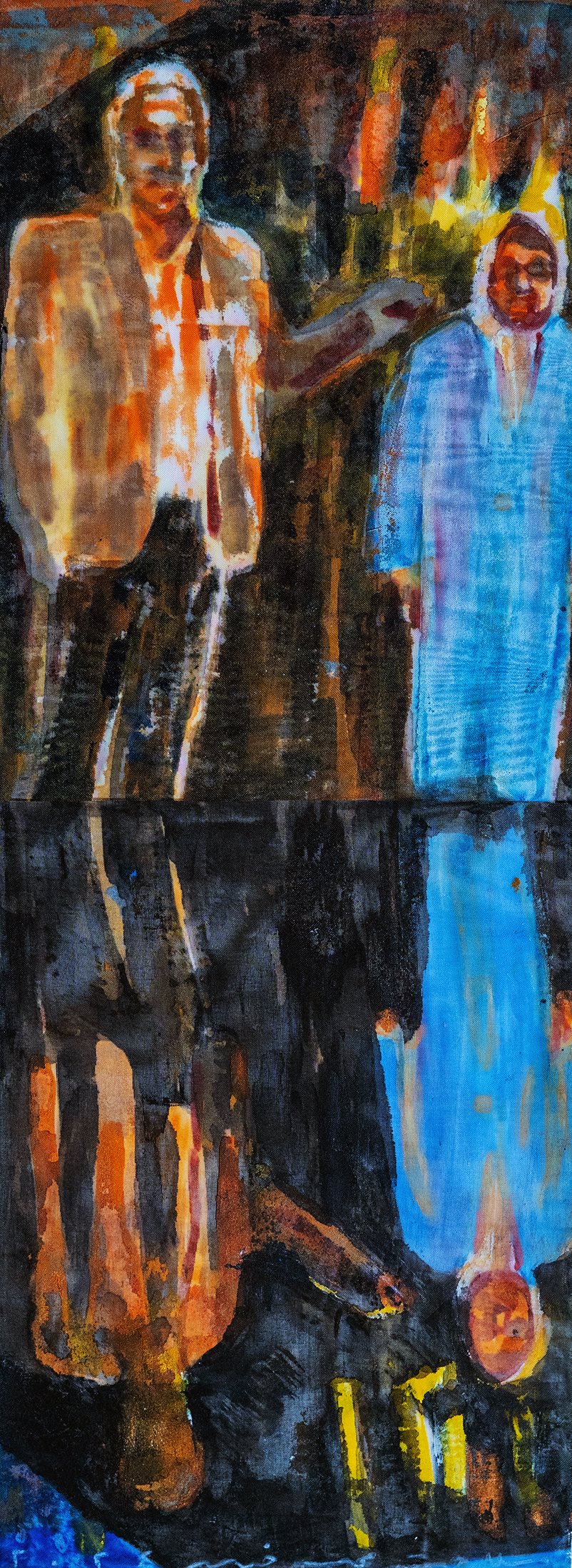
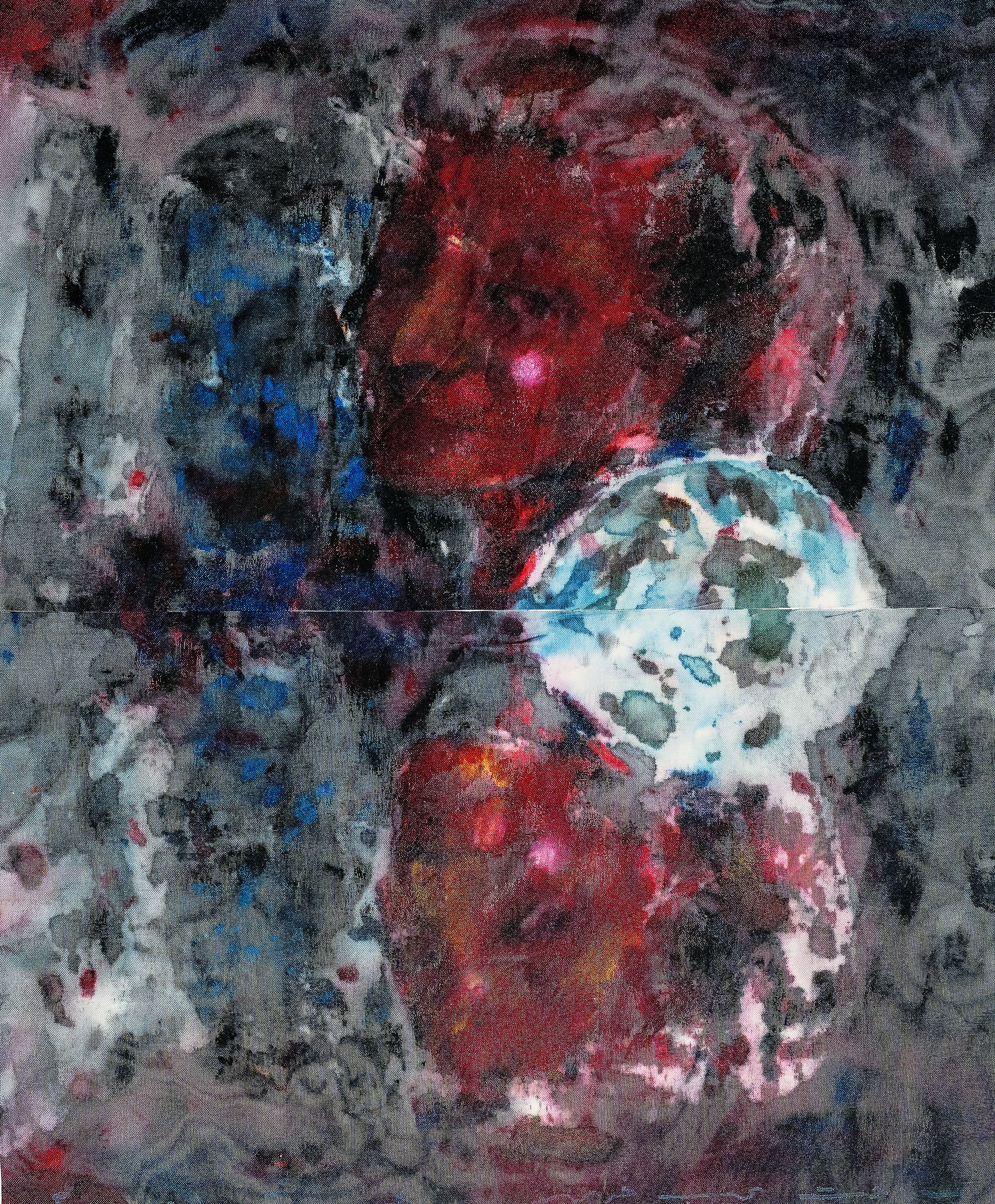
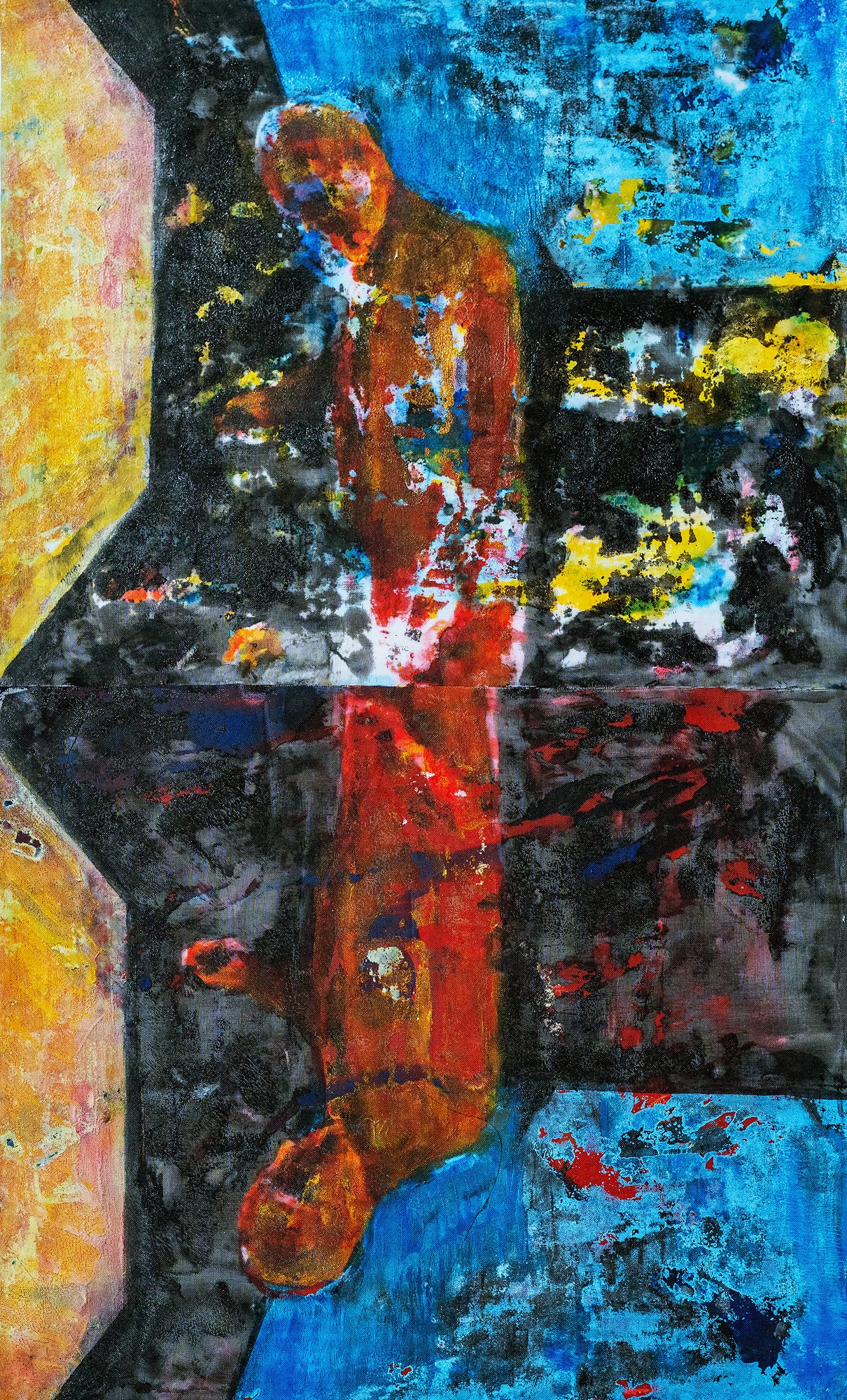
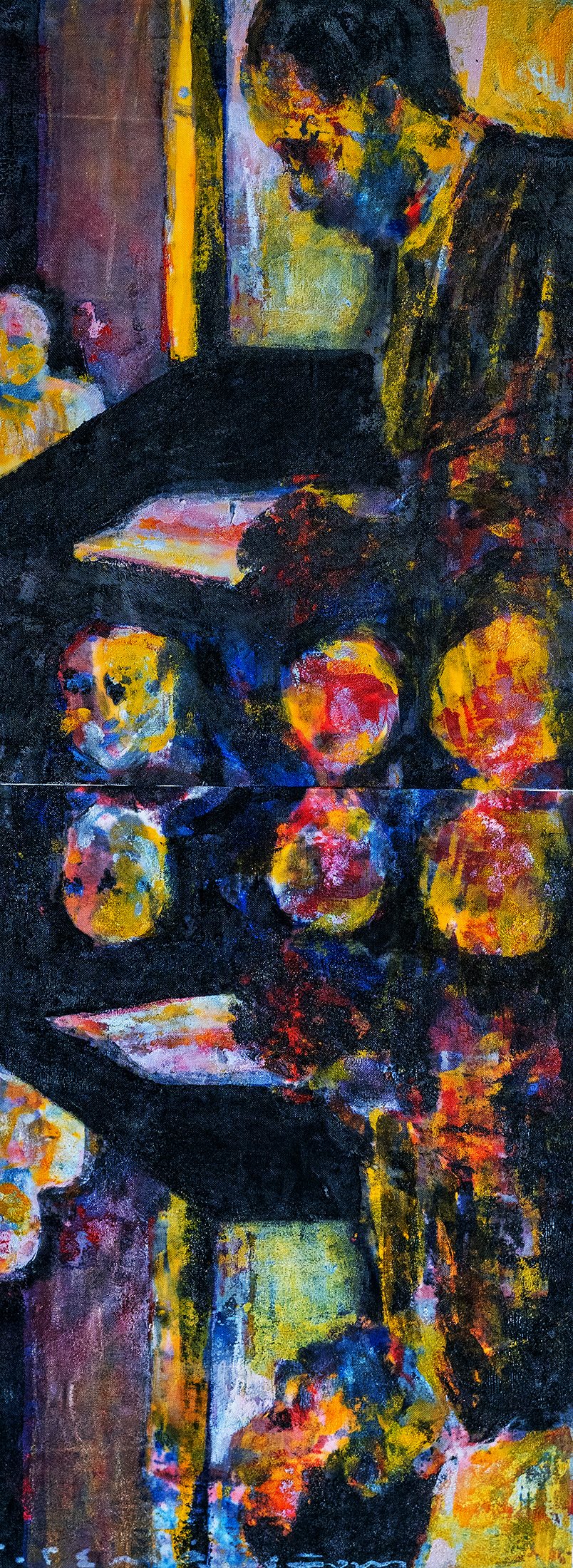
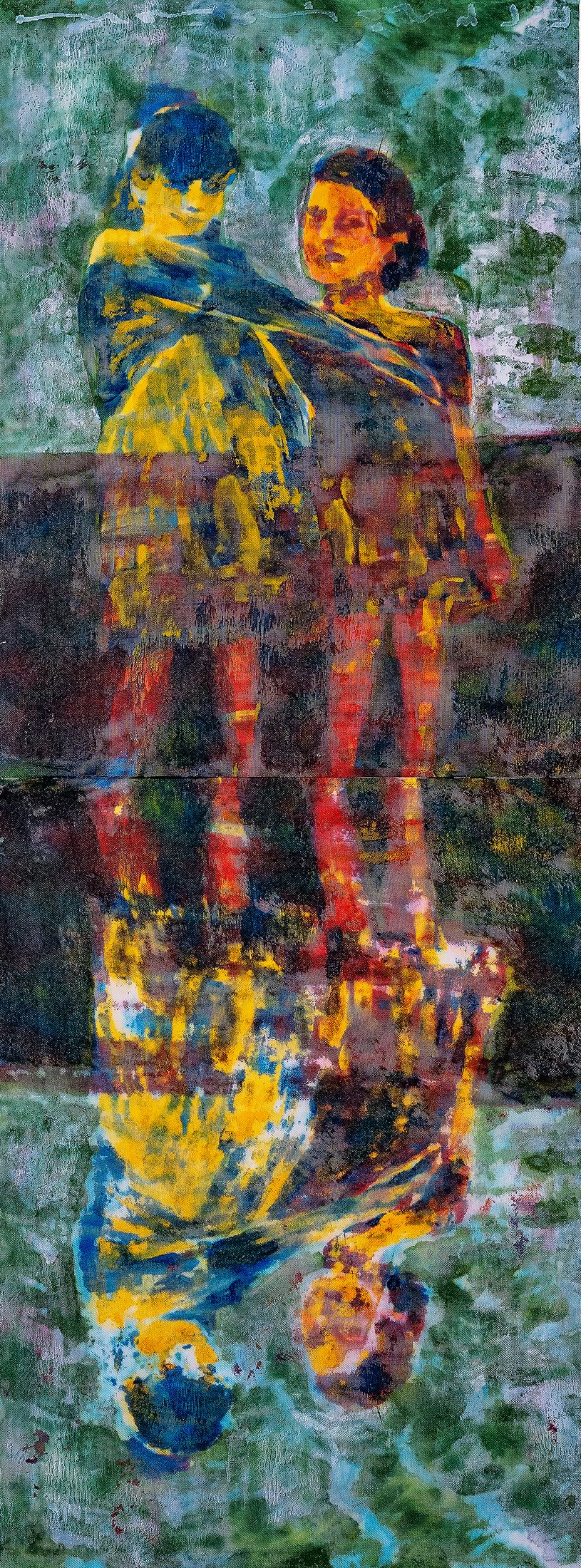
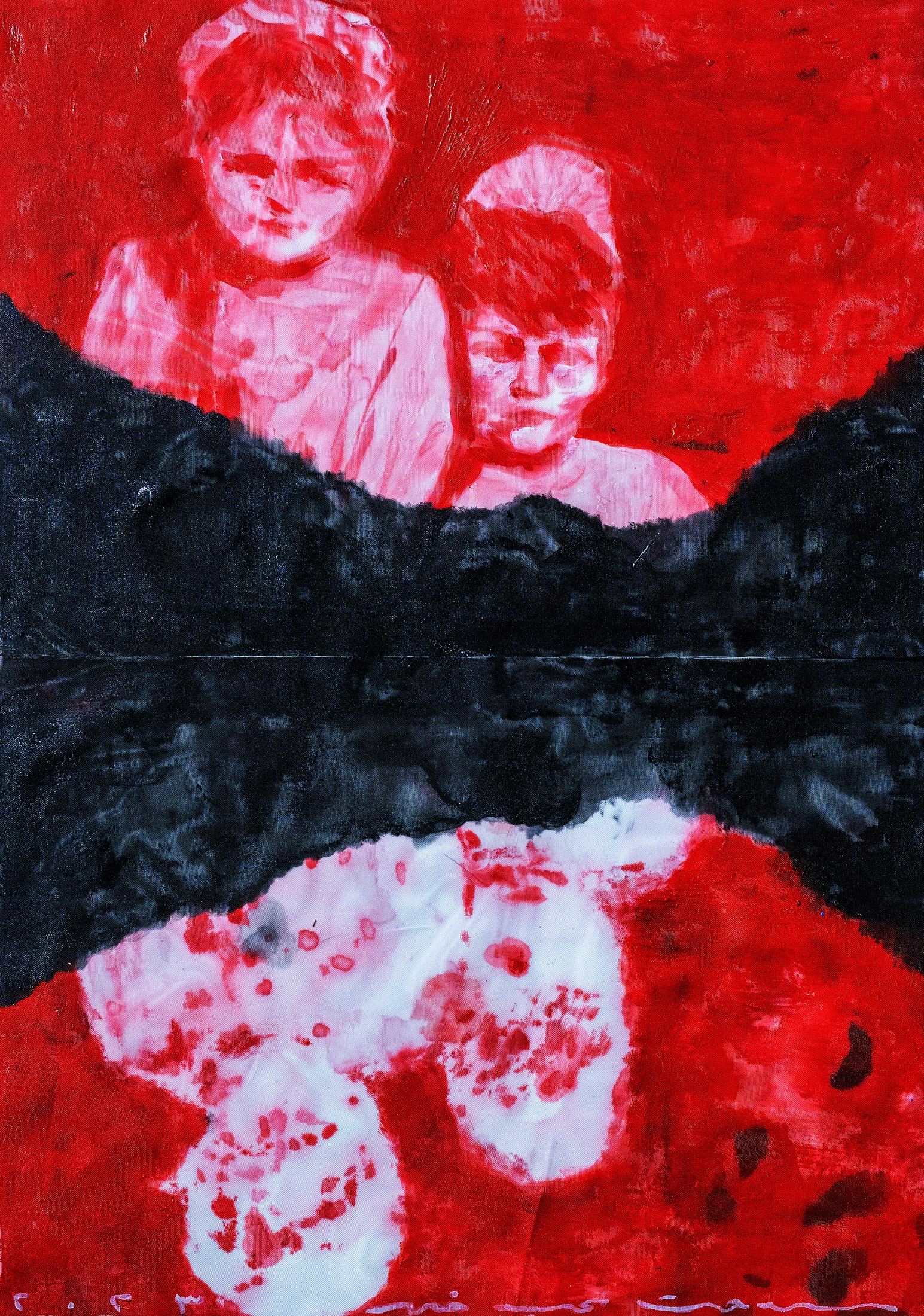
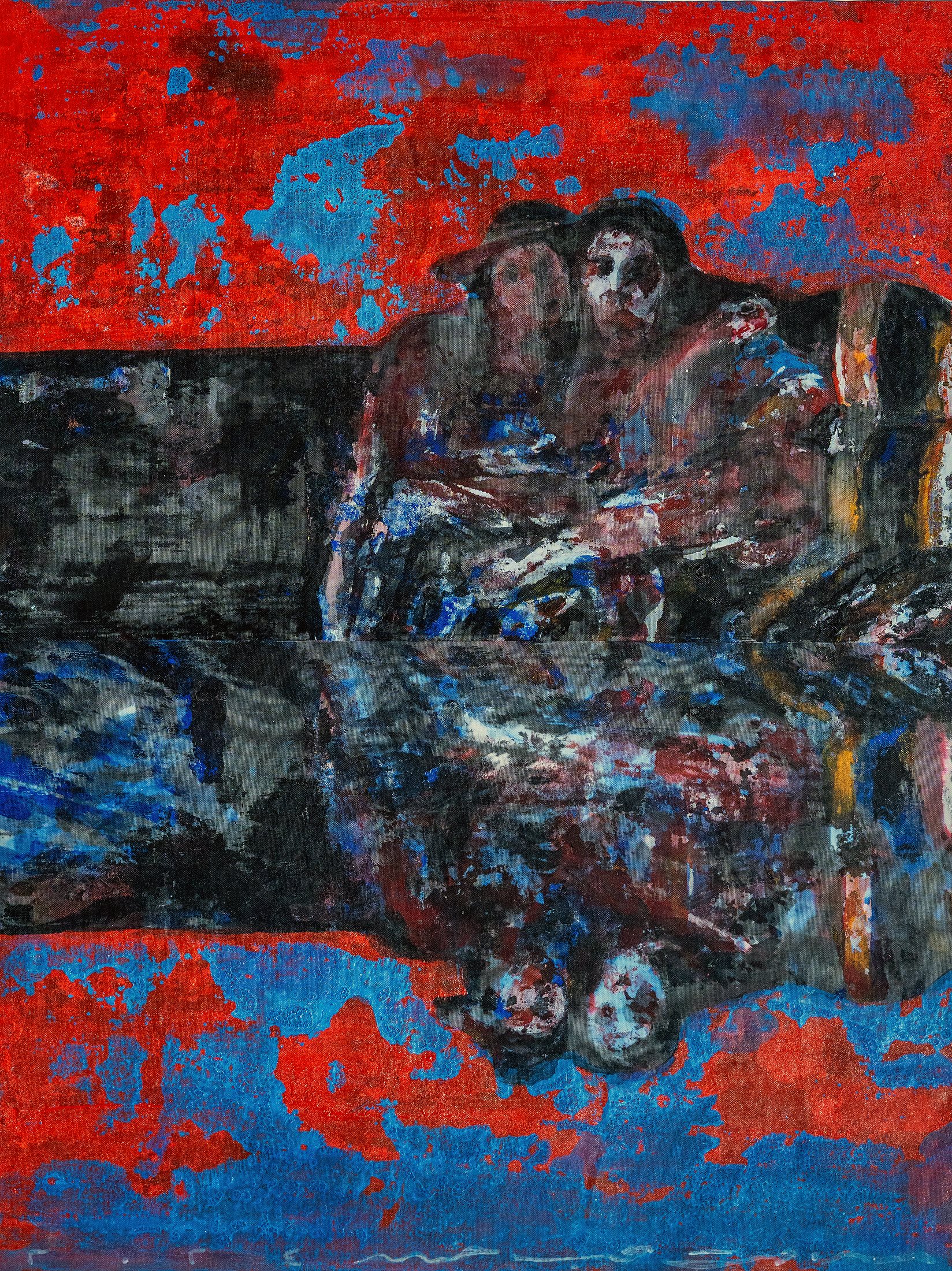
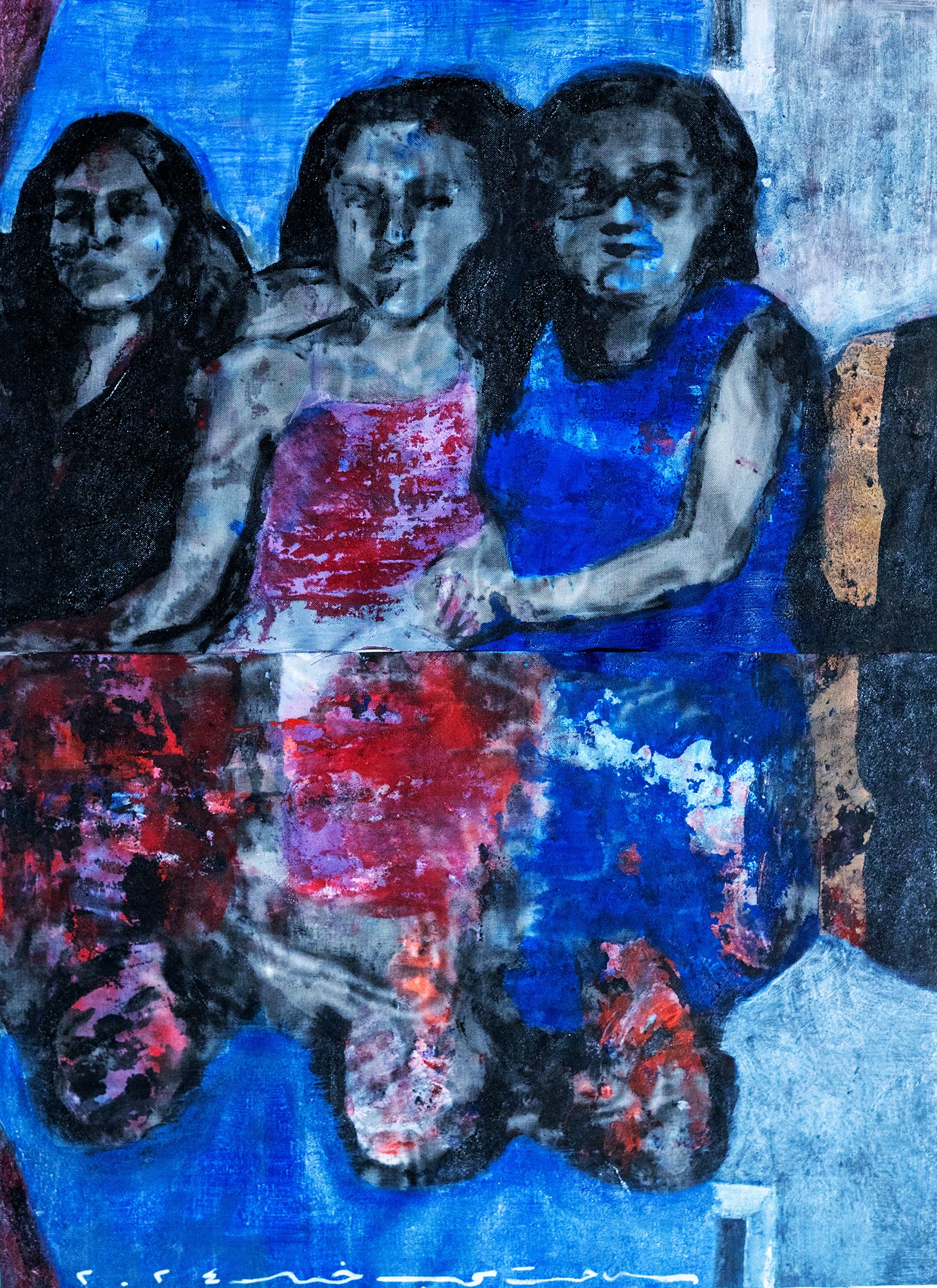
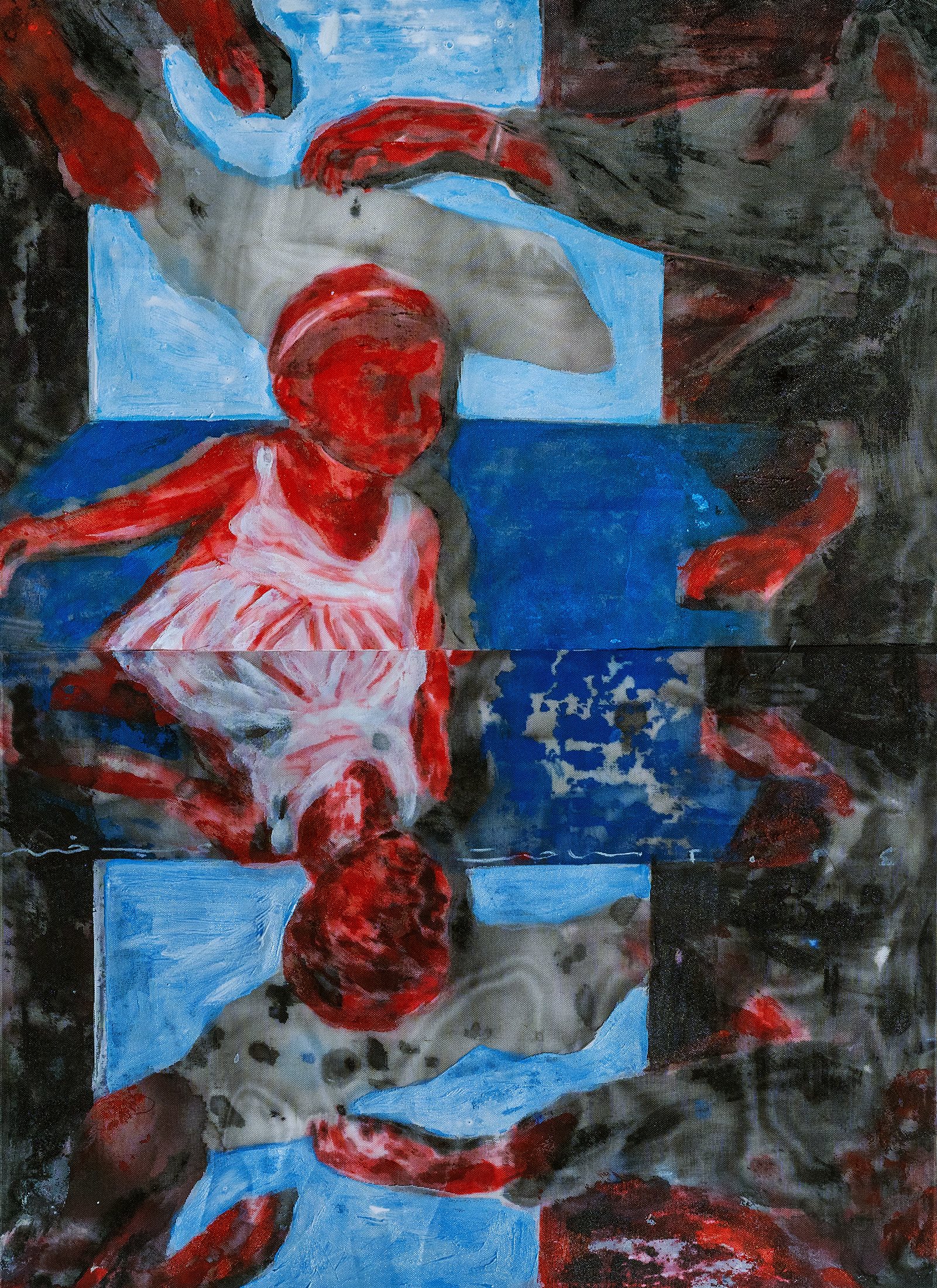
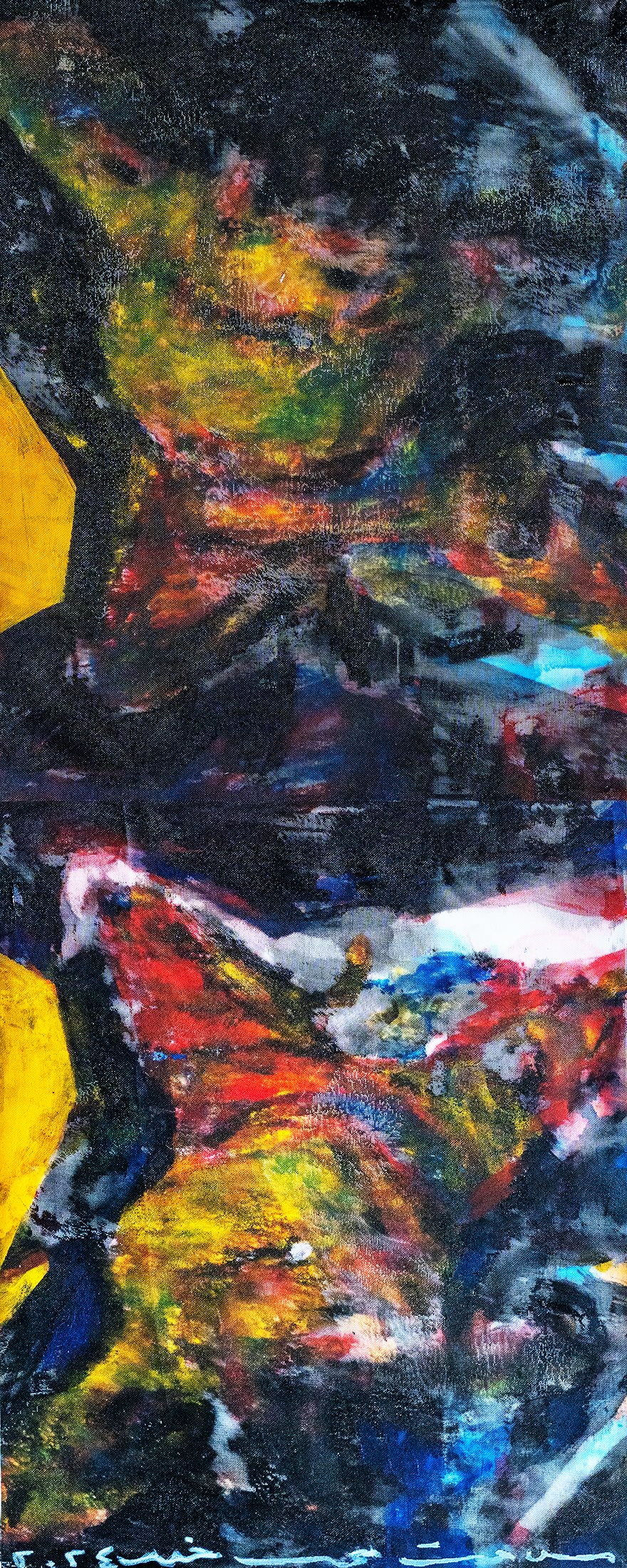
Committing to memory, is the act of remembering, or more importantly, refining the memory in both senses of the word: trim, efface and repair. Nevertheless, this effacement and repair, just as it appears from the texture of the images, layers of colorings and brushstrokes, reveals the scars of encountering the dread, those of remembering the cruelty, along with a craving to save love and emotions. The permeation of the color into the silk cloth, through the rhythm of a desiring female body, transforms this remembering into a painful, yet life giving and mending, undergoing.
Committing to memory is a familiar expression. Yet it speaks with a tone that springs to mind another phrase, which happens to be paradoxical: yielding to the mind, burial of the remembrance. Setting it to rest, death, and oblivion. Hence, beyond naming, the emotions that this collection, in its visual texture evokes, reminds me of a proposition by W. J. T Mitchel, which involves in questioning more than what these images merely represent, and towards what do they want[1].
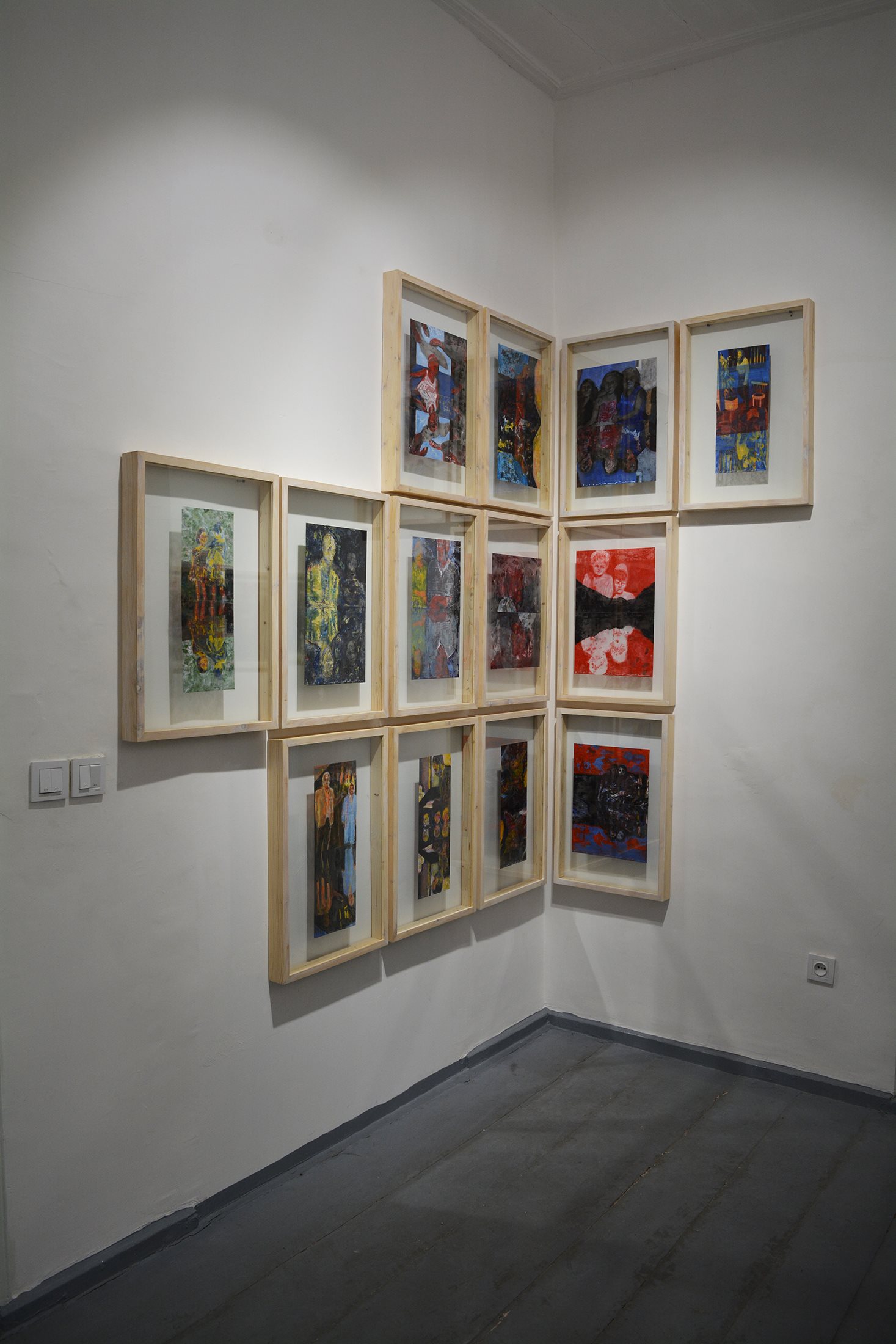
In Malahat’s paintings, memory is networked through emerging, resolved or tempered faces, relationships flourishing and falling apart within the corridors of the mind and time—engraves a texture of sensation of now, and a vision of future. This possibility comes from the “painterly montage” of the images: from the folding sheets, blurring images, colors infiltrate and diffuse into the texture, fragments of memory colliding and merging into one another. Memories of bygone eras, of which some are vividly remembered, or else, recent ones that are repressed and become irretrievable.
Committing to memory is the syntax of the portraits, figures, hands and their (im)possible gazes; they sometimes fall apart, at times overlap, are dismembered, and by way of ellipsis, fusion, and rearrangement give form to the memory’s depository. Faces that each form a vertebra of the artist’s memory; memories contaminated by pain, ecstasy, joy and fear, in a constant conflict between remembering and active forgetting, amnesia and Tuj[2] (when open wounds start to clot), one by one, colliding and dictating the futures of the artist’s perceptions. The portrait of the father in agony, a lover now part of history, a friend in confinement whose memory scratches upon the mind. Relatives, those who stay, those who vanish. And the one, who observes and experiences, and in the poetics of relations, her body and mind, is grinded and repaired.
The paintings and the way in which they are processed, beg the question as to how many layers of paint, tissues, and dried blood are interwoven when we are getting past by our past. How can one recognize this “I,” in the endless process of transmutation? This me, the mental and material ground upon which these layers are deeply embedded.
Silk, cloth, body and mind; psyche and colors, sensorial tapestries, perceptions; memories and pauses in between. Committing to memory is such a fabric.
Nastaran Saremy
January 2024
[1] What Do Pictures Want? Is the title of a book by W. J. T. Mitchel, the American visual art theoretician. In this book he tries to demonstrate that pictures are not mere inert objects that convey meanings, but are living beings with desires, needs, aspirations, and demands in and of themselves, who can drive us into action, thinking and feeling.
[2] In Kurdish, Tuj, refers to the thin skin forms on top of boiled milk. It can also connote the coagulation of an open wound when it starts to dry out.
یادسپاری: عشق و اندوه
به یاد سپردن، عملی در زمرهی یادآوردن، و شاید مهمتر از آن، پیراستن حافظه است، به هر دو معنای آن: زدودن و رفو کردن. اما این زدایش و ترمیم، همانطور که از بافت تصاویر، رنگگذاریها و ضربههای چندلایهی حکشده در آن برمیآید، با خونریزی، مواجهه با ترسها، یادآوردن شقاوت و تیرگی و تلاش همزمان برای نجات عشق و عاطفه همراه است. نفوذ رنگ در حریر، به ضرباهنگ تن میلورز زنانه، یادسپاری را به وضع حملی دردناک اما زندگیبخش و ترمیمکننده تبدیل میکند.
به یاد سپردن گزارهای آشناست، اما یادسپاری طنین و وزن عبارت دیگری را به ذهن متبادر میکند که آن را به گزارهای متناقضنما تبدیل میکند: یادسپاری، یاد را به خاک سپردن؛ خاطره را به قرار/مرگ/فراموشی درآوردن. به همین خاطر، فراتر از نامگذاری، عواطفی که این مجموعه در بافت تصویری خود زنده میکند گزارهی کلیدی میچل را به یادم میآورد که میگوید شاید مهمتر از پرسش «این تصاویر چه چیز را بازمینمایانند؟» آن است که بپرسیم «این تصاویر چه میخواهند؟».
در نقاشیهای ملاحت، شبکهبندی خاطرات با ظهور، وضوح یا مخدوش شدن چهرهها و تصاویر، رابطهها و از هم پاشیدنشان در دالان ذهن و زمان است که ادراک حال و خیال آینده را شکل میدهند. این امکان از خلال «مونتاژ نقاشانه»ی تصاویر ممکن شده است؛ از تا کردن، محو کردن، نفوذ رنگ، کنار هم قرار گرفتن سلولهای خاطره، شبکهبندی و در هم فرورفتن آنها. خاطراتی که گاه بهرغم گذر زمانی طولانی همچنان وضوح دارند و گاه بهرغم نزدیک بودن است که مغشوش و آشفتهاند.
یادسپاری، همنشینی پرترهها، فیگورها، دستها و نگاههای ناممکن است. آنها گاه از هم میپاشند، گاه روی هم میافتند، قطعهقطعه میشوند و با حذف و ادغام و آرایش دوباره در کنار یکدیگر حواس و حافظه را صورت میبخشند. چهرههایی که هر یک مهرهای از فقرات حافظهی هنرمند را ساخته است؛ خاطرات آلوده به درد، شعف، لذت، ترس. حافظهای که در کشمکش مدام میان یادآوردن، فراموشی فعال، نسیان و زخمهای باز یا توژبسته یکبهیک و در تصادم با یکدیگر در آیندگی آگاهیاند: پرترهی پدر در حال احتضار، معشوق بهتاریخپیوسته، رفیقی در سیاهچاله که بیخبری از او ذهن را میخراشد. نزدیکان، آنها که میمانند، آنها که میروند؛ و او که نظاره و تجربه میکند و در بوطیقای ارتباط، تن و ذهنش تراشیده و ترمیم میشود.
نقاشیها و شیوهی پرداختشان این پرسش را پیش میکشند که در کنار آمدن با آنچه پشت سر گذاشتهایم چند لایه ادراکـرنگـخون و بافت خشکیده و در هم نفوذ کرده است؟ چگونه میتوان این «من» ــ بستری مادی و ذهنی که این لایههای درهمفرورونده را میزبانی میکند ــ را در خلال این فرایند بیپایان تلاطم و تغییر بازشناخت؟
حریرها، پارچهها، تن/ذهن/روان و رنگها، بافتههای حسانی، ادراکات، خاطرات و وقفههای میان آنها؛ یاد سپردن چنین بافتاری است.
نسترن صارمی
زمستان ۱۴۰۲
[1]. این گزاره عنوان کتاب دبلیو. جی. تی. میچل، نظریهپرداز حوزهی تصویر، است. او در این کتاب میکوشد نشان دهد که تصاویر نه اشیائی ایستا و انتقالدهندهی صرف معنا که هستندگانی جاندار و واجد میل، نیاز، اشتیاق، خواستهها و رانههایی از آن خود هستند و میتوانند رانهی عمل، احساس و اندیشهی ما باشند.
[2]. در زبان کوردی (جنوبی) توژ بستن برای اشاره به لایهی سرشیری که در خلال جوشیدن شیر با مایعات شکل میگیرد به کار میرود. همچنین این واژه برای توصیف شکلی که زخم باز و خونابهی چکنده رفتهرفته رو به خشک شدن و ترمیم میگذارد نیز به کار میرود.